SHEFA Medical
In the intricate landscape of medical procurement, balancing cost and quality is paramount. Dr. Amanda Lee, a renowned expert in healthcare supply chain management, emphasizes, "Achieving the right balance between cost and quality in medical procurement is crucial for patient outcomes." This statement underscores the vital need for a strategic approach amid rising healthcare costs.
Medical procurement choices go beyond simple transactions. Savvy decision-makers must navigate a maze of suppliers, product specifications, and regulatory requirements. Each choice impacts not only budgets but also the quality of care patients receive. A well-structured procurement strategy can lead to significant savings. However, sacrificing quality for savings may result in dire consequences.
Revisiting procurement strategies is essential. Past decisions may have prioritized cost, yet the results often led to poor service or product failures. Quality should always stand alongside cost efficiency as a core goal. The true challenge lies in devising methods that ensure both affordability and excellence in care. Exploring innovative approaches in procurement could help find this balance while maintaining patient safety and satisfaction.
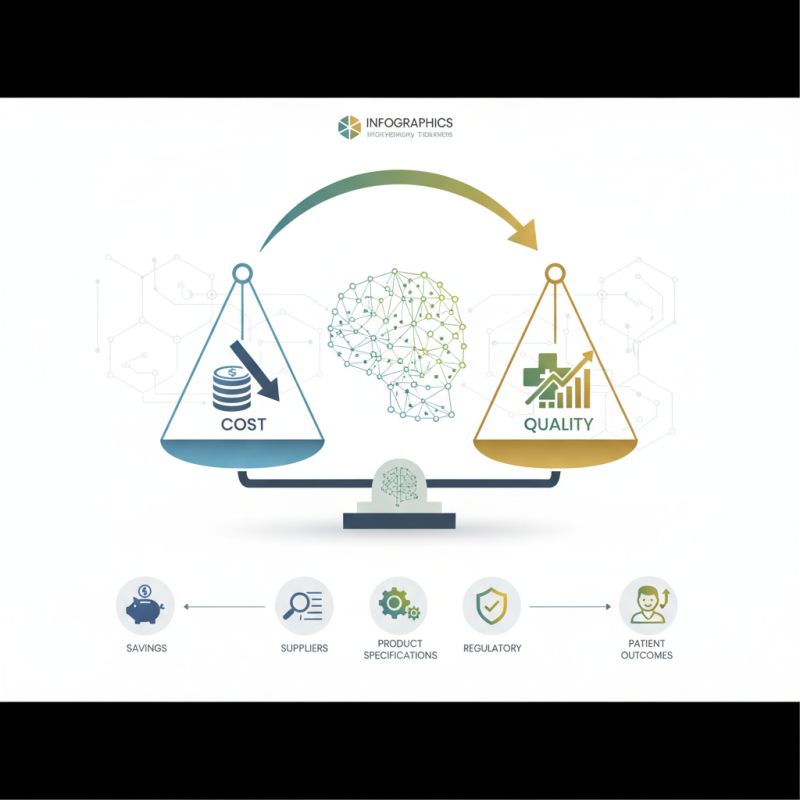
Striking a balance between cost and quality in medical procurement is challenging. Key factors influence procurement decisions, such as supplier reliability, product effectiveness, and overall value. A report by the Healthcare Supply Chain Association reveals that 30% of healthcare organizations struggle with cost overruns when selecting medical supplies.
Tip: Prioritize long-term partnerships with suppliers. A reliable relationship can reduce costs and enhance product quality. Continuous evaluation of supplier performance ensures alignment with the organization’s goals.
Another critical aspect is regulatory compliance. Organizations must consider how compliance affects costs and quality. Research indicates that organizations with robust compliance frameworks experience fewer litigation and product recalls. This not only saves money but also protects patient safety.
Tip: Regular audits of procurement processes are essential. This practice can reveal areas for improvement, potentially reducing waste and unforeseen expenditures. Reflect on previous procurement decisions to build a more effective strategy.
This bar chart illustrates the key factors considered in medical procurement decisions, highlighting the balance between cost efficiency and quality assurance among other important elements.
When evaluating cost-effective medical supplies and services, understanding the balance between cost and quality is critical. Organizations often face the challenge of cutting costs while ensuring high standards of patient care. Effective procurement strategies can mitigate these challenges. A clear plan can help identify reliable suppliers who offer both affordability and quality.
Cost assessments should include not only initial expenditure but also long-term value. For instance, the use of durable supplies may result in lower replacement costs over time. This perspective shifts focus from merely choosing the cheapest option to considering overall value. Listening to feedback from clinical staff can often highlight practical issues that are not evident during initial price evaluations.
Engaging with suppliers in transparent dialogues can yield better solutions. Some suppliers may offer flexible pricing or volume discounts. Additionally, performance metrics should be established. Ongoing evaluations will help ensure that the quality of service and supplies meet the required medical standards. Regular reflection on procurement outcomes is necessary to adapt strategies for future improvements. The procurement process can become a continual learning journey.
When assessing quality standards in medical products and services, it is essential to recognize the complexities involved. Medical procurement requires a keen understanding of various quality metrics. Standards can differ greatly across regions and sectors. This variability complicates decision-making processes for procurement officials. Clear guidelines are often necessary.
Quality assessments should include rigorous evaluations of product efficacy and safety. Involving stakeholders can provide valuable insights. Engaging healthcare professionals ensures that procurement strategies align with patient care goals. However, inconsistent feedback from different sources can lead to confusion and misalignment. Establishing a unified approach to gather and analyze feedback is crucial.
Reliability in medical procurement hinges on accurate data and transparency. While cost-saving measures are important, compromising quality is risky. Many organizations face pressure to cut expenses, which can result in subpar products entering the market. This dilemma highlights the need for continuous reflection on procurement practices. Regular reviews and updates to quality standards will help maintain the balance between cost and quality.
Negotiating with suppliers is crucial in medical procurement. Establishing a solid relationship can lead to better deals and higher quality products. Suppliers appreciate transparency. Sharing your goals can build trust. When you communicate openly, they may offer discounts or extra services. This mutual understanding fosters collaboration.
Creating a win-win situation requires effort. It’s important to assess your own needs carefully. Identify the balance between cost and quality. Sometimes, the cheapest option leads to additional costs later on. High-quality suppliers may seem expensive upfront, but their reliability can save money long-term.
Regular evaluations of the supplier relationship are necessary. Analyze performance metrics and service quality. This can reveal areas for improvement. If vendors are not meeting expectations, discuss concerns with them. Addressing issues collaboratively often leads to better outcomes. Reflecting on these aspects will refine procurement strategies over time.
Monitoring and reviewing procurement outcomes is crucial for continuous improvement in medical procurement strategies. Organizations can evaluate their purchasing decisions by analyzing factors like quality, cost, and supplier performance. Collecting data through surveys and performance metrics helps identify areas needing enhancement. Regular discussions with stakeholders can uncover insights that data alone may miss.
It's essential to establish a feedback loop that incorporates input from various departments. For instance, front-line staff can provide firsthand accounts of product effectiveness. This can reveal discrepancies between expected and actual outcomes. Engaging with end-users creates a more comprehensive understanding of impacts.
In this process, imperfect outcomes should be embraced as learning opportunities. Not every procurement decision will yield ideal results. Transparency in reporting these failures fosters a culture of continuous improvement. Regularly revisiting and refining procurement strategies ensures that organizations remain adaptable. This ongoing dialogue not only enhances procurement practices but reinforces a commitment to quality care.
| Procurement Strategy | Cost ($) | Quality Rating (1-5) | Supplier Feedback | Review Date |
|---|---|---|---|---|
| Bulk Purchase of Surgical Supplies | 15000 | 4 | Positive feedback on timely delivery | 2023-09-15 |
| Single Supplier for Diagnostic Equipment | 25000 | 5 | Excellent customer support and service | 2023-10-01 |
| Diverse Supplier Network for Laboratory Supplies | 18000 | 3 | Satisfactory but inconsistent quality | 2023-08-20 |
| Long-term Contract for Pharmaceuticals | 32000 | 4 | Reliable supply, minor issues with storage conditions | 2023-09-30 |
| Negotiated Prices for Consumables | 20000 | 4 | Good quality with competitive pricing | 2023-10-05 |
: Key factors include supplier reliability, product effectiveness, and overall value. Striking a balance is challenging.
Prioritizing long-term partnerships with suppliers can help. A reliable relationship often reduces costs and enhances quality.
Compliance affects both costs and quality. Strong frameworks reduce litigation risks and protect patient safety.
Conduct regular audits. This reveals areas for improvement and reduces waste in the procurement process.
Supplier negotiation is crucial. Establishing solid relationships can lead to better deals and higher quality products.
Assess both cost and quality. Cheaper options may result in higher costs later. Consider long-term reliability.
Analyzing data like quality, cost, and supplier performance helps identify enhancement areas.
Front-line staff provide insights on product effectiveness. Their input can reveal discrepancies in expected outcomes.
Embrace them as learning opportunities. Reporting failures transparently fosters a culture of improvement.
Regularly revisit and refine strategies. Ongoing discussions with stakeholders bolster adaptability and commitment to quality.
In the realm of healthcare, achieving the delicate equilibrium of cost and quality is paramount. The article titled "How to Balance Cost and Quality in Medical Procurement Strategies?" explores essential strategies that are crucial in navigating this challenge. It begins by identifying key factors that influence procurement decisions, emphasizing the need to understand both financial constraints and the clinical requirements of medical supplies.
The evaluation of cost-effective medical supplies and services is then discussed, shedding light on the importance of not compromising quality for lower prices. Assessing quality standards in medical products is critical to ensuring patient safety and satisfaction. Furthermore, effective supplier negotiation and collaboration strategies are examined, highlighting approaches that can yield better deals without sacrificing quality. Finally, the article emphasizes the necessity of monitoring procurement outcomes for continuous improvement, ensuring that the balance between cost and quality is not just achieved but maintained over time. This comprehensive approach provides a roadmap for healthcare organizations aiming to optimize their procurement strategies.
