Evaluating the durability of healthcare materials is crucial for patient safety and optimal performance. How to evaluate the durability of healthcare materials involves understanding various factors that impact their lifespan. This includes mechanical properties, environmental resistance, and biological compatibility.
Healthcare materials must withstand rigorous conditions. They often face exposure to moisture, chemicals, and extreme temperatures. Testing methods should provide reliable data on their resilience and longevity. However, not all materials perform as expected over time. Some might reveal unexpected weaknesses.
Incorporating real-world usage scenarios is essential. This helps to identify potential failure points. Feedback from healthcare professionals can illuminate durability concerns. Continuous research and testing practices should evolve to ensure materials meet the highest standards. This reflection is vital for advancing healthcare technology.
Factors Influencing the Durability of Healthcare Materials
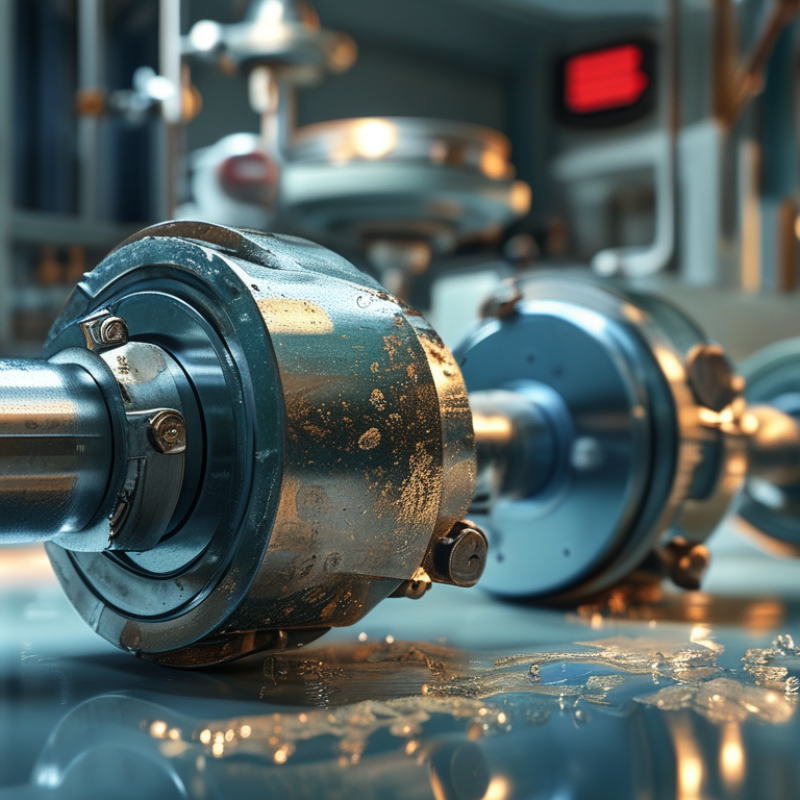
When evaluating the durability of healthcare materials, several factors come into play. One critical aspect is the material composition. Different substances react uniquely under stress or environmental conditions. For instance, polymers may offer flexibility but can wear out under prolonged exposure to certain sterilizing agents. Metallic materials, on the other hand, are often more resistant to wear but can corrode over time.
Another important consideration is the intended use of the materials. Items that endure high levels of interaction, such as surgical instruments, require robust designs. As durability standards are not universal, healthcare professionals must assess specific needs. Additionally, the manufacturing process significantly impacts material longevity. Quality control during production ensures that any flaws are minimized, contributing to the overall durability.
Tips: Examine material certifications. They provide insight into durability ratings. Keep track of environmental conditions that materials face. Regular inspections help identify wear early. Including feedback from front-line workers can reveal unexpected issues in everyday use. Such insights may uncover critical areas for improvement in material selection and usage.
The interaction of these factors shapes the performance and reliability of materials utilized in healthcare settings.
Standard Testing Methods for Assessing Material Durability
Evaluating the durability of healthcare materials is critical in ensuring patient safety and equipment reliability. Standard testing methods play a pivotal role in this assessment.
These tests often include tensile strength, which measures a material's capacity to withstand pulling forces. Rigorous tests can reveal weaknesses that may not be visible during routine inspections.
Another key method is fatigue testing, which simulates prolonged stress over time. This exposes materials to repeated strain, helping to predict when they might fail.
It’s essential to observe the results closely, as early signs of wear can indicate potential risks. Additionally, environmental testing assesses how materials respond to various conditions,
including temperature fluctuations and humidity. These conditions can significantly impact the longevity of healthcare materials.
Dimensional stability testing is also vital. Changes in size or shape over time can lead to equipment malfunction. Observing these properties allows for timely interventions.
However, there are challenges in standardizing these tests across different materials. Variability exists, and not every method may yield perfect results.
Continuous reflection on these testing methods is crucial to improve material evaluation in the healthcare sector.
Long-Term Performance Evaluations in Real-World Healthcare Settings
Evaluating the durability of healthcare materials involves practical assessments in real-world settings. Long-term performance is crucial. It is not just about theoretical tests conducted in labs. Observations in hospitals provide valuable insights. For example, a surgical device used in operating rooms must withstand repeated use and sterilization. Actual conditions reveal wear patterns that no simulated environment can replicate.
Moreover, feedback from healthcare professionals plays a pivotal role. Their experiences with materials highlight strengths and weaknesses. Some materials may appear robust initially but degrade under constant strain. Real-world scenarios often uncover unexpected challenges, such as chemical interactions or mechanical failures. This requires ongoing monitoring and adjustments.
Maintaining a reliable supply of durable materials is an ongoing concern. Regular assessments can reveal emerging issues. Understanding how materials perform over time leads to better decision-making. This level of scrutiny fosters trust among healthcare providers and patients. It is essential to maintain open dialogues about the experiences with various materials in everyday use. Establishing a feedback loop helps create more resilient healthcare environments.
Impact of Environmental Conditions on Material Longevity
Environmental conditions play a crucial role in determining the longevity of healthcare materials. For instance, high humidity can lead to mold growth, affecting the structural integrity of various materials. Temperature fluctuations might cause thermal expansion and contraction, leading to wear and tear over time.
Regular exposure to harsh chemicals used in cleaning can also degrade materials faster than anticipated.
Consider the impact of UV light. Prolonged exposure can cause discoloration and brittleness in many plastics commonly used in healthcare settings. Even the air quality can influence material lifespan, as corrosive gases may seep into equipment, compromising their functionality. Evaluating materials under these conditions is vital. Yet, not all tests account for real-world scenarios with fluctuating conditions.
Relying solely on laboratory data may not reflect actual performance. The interaction of multiple factors makes predictions challenging. Identifying potential weaknesses in materials under specific environmental conditions will help in improving their durability. Continuous monitoring is needed to assess how well materials hold up in a changing environment. This reflection can drive better choices in material selection for healthcare applications.
Regulatory Standards for Durability in Healthcare Material Selection
When selecting materials for healthcare applications, regulatory standards play a critical role. Organizations such as the FDA in the United States set stringent guidelines to ensure safety and reliability. These standards impact everything from surgical instruments to medical devices. They require thorough testing of material durability, ensuring that products can withstand rigorous use.
Evaluating durability involves various tests under controlled conditions. These tests mimic real-world scenarios, focusing on stress resilience and lifespan. Healthcare materials must resist wear and degradation over time. Consistent quality checks and compliance with regulatory standards are essential. However, not all materials perform uniformly across different conditions. The variability can lead to unexpected failures.
Manufacturers must stay updated on evolving regulations. This can be challenging, as guidelines may change based on new research or technology. Transparency in material sourcing and testing processes enhances credibility. Yet, even with robust standards, occasional lapses occur. Continuous learning and improvement are necessary to maintain high durability expectations in healthcare materials.
FAQS
: It ensures patient safety and equipment reliability. Testing reveals weaknesses that may not be visible.
It measures a material's capacity to withstand pulling forces. This test helps identify potential failures early.
It simulates prolonged stress by exposing materials to repeated strain. This helps predict when failures might occur.
It assesses material responses to temperature and humidity changes. These conditions affect material longevity significantly.
Changes in size or shape can lead to equipment malfunctions. Observing these changes allows for timely interventions.
Variability among materials can lead to inconsistent results. Not every test method may provide perfect outcomes.
High humidity can cause mold growth. Temperature fluctuations may lead to thermal expansion and degradation.
It may not reflect actual performance under real-world conditions. Real scenarios include varying environmental factors.
They ensure the safety and reliability of healthcare products. Compliance is crucial for maintaining high durability.
They should stay updated on evolving guidelines. Continuous learning is necessary to ensure durability expectations are met.
Conclusion
Evaluating the durability of healthcare materials is crucial for ensuring the safety and effectiveness of medical products. Factors influencing material durability include the composition, design, and intended use of the products. Standard testing methods, such as tensile strength and fatigue testing, provide a baseline for assessing durability. Additionally, long-term performance evaluations in real-world healthcare settings help to understand how materials hold up under actual usage conditions.
Environmental conditions, such as humidity, temperature, and exposure to chemicals, can significantly impact the longevity of healthcare materials. Furthermore, adherence to regulatory standards is essential for guiding material selection, ensuring compliance, and maintaining quality in healthcare applications. By understanding these elements, one can effectively determine how to evaluate the durability of healthcare materials, ultimately leading to safer, more reliable medical products.
 SHEFA Medical
