SHEFA Medical SHEFA Medical

What Certifications Are Needed for Medical Device Distribution?

Time:2026-05-16 Author:Mason
0%

In the medical device distribution industry, understanding "What Certifications Are Required For Medical Device Distribution" is crucial. The global market for medical devices is projected to reach $612 billion by 2025, as reported by Research and Markets. Certification ensures safety and compliance, fostering trust among healthcare providers and patients alike.

Dr. Emily Tran, a leading expert in medical device regulation, emphasizes, “Proper certification is the backbone of the medical device industry.” This highlights both the importance and necessity of adhering to established standards. The FDA and ISO certifications are key requirements for distributors, as they indicate compliance with safety protocols.

However, navigating the certification landscape can be challenging. Many organizations struggle with understanding the complexities involved and often overlook vital certifications. These oversights can lead to operational setbacks. It's essential to recognize that certifications are not just a bureaucratic hurdle; they play an indispensable role in ensuring product safety and efficacy.
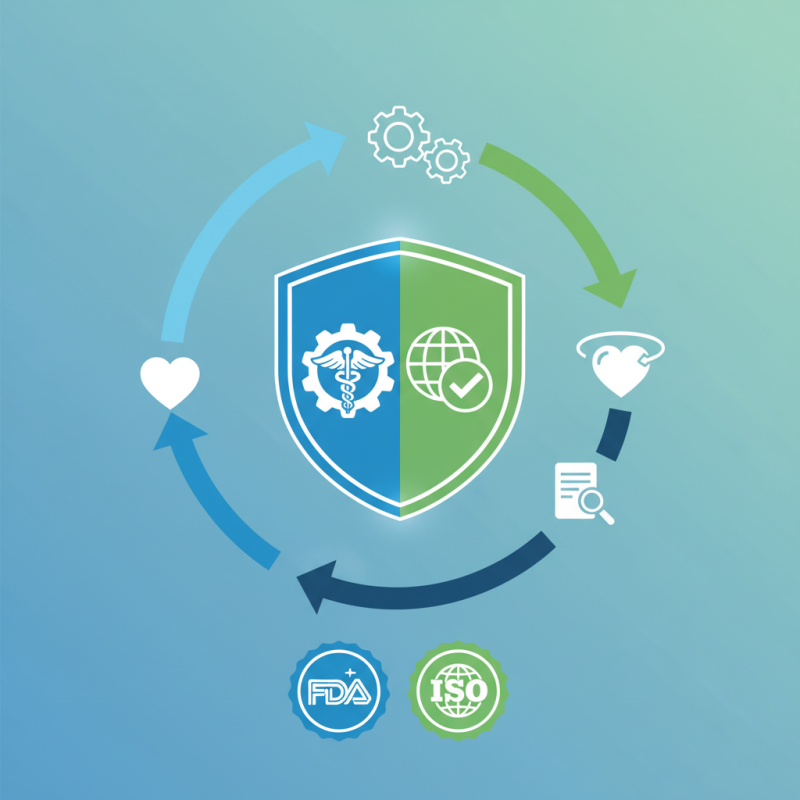
What Certifications Are Needed for Medical Device Distribution?

Overview of Medical Device Distribution Regulations in Different Regions

Medical device distribution is significantly influenced by regional regulations. For instance, in Europe, compliance with the Medical Device Regulation (MDR) became mandatory in May 2021. This requires manufacturers and distributors to ensure products meet safety and performance standards. Data from the European Commission indicates a 60% increase in post-market surveillance activities since the MDR's implementation, emphasizing the evolving regulatory landscape.

In the United States, the FDA oversees medical device distribution. It categorizes devices into three classes based on risk. Class I devices generally require minimal regulatory controls, while Class III devices demand rigorous pre-market approval. According to the FDA, 40% of medical devices are classified as Class II, necessitating a 510(k) submission. This process involves demonstrating that a new device is substantially equivalent to a legally marketed device.

Asia presents another layer of complexity. Countries like China require local testing and registration of devices before distribution. The National Medical Products Administration (NMPA) has tightened regulations, leading to a 30% longer approval process. Such complexities highlight the need for distributors to stay informed and adapt. Compliance can often mean navigating inconsistencies across regions, leading to potential delays and market entry challenges.

Key Certifications Required for Medical Device Distributors in the USA

When considering medical device distribution in the USA, obtaining the right certifications is crucial. Distributors must primarily comply with the regulations set forth by the Food and Drug Administration (FDA). The FDA mandates that medical devices are safe and effective for use. Ensuring compliance involves a deep understanding of these regulations and the entire distribution process.

Another vital certification is ISO 13485. This international standard outlines the requirements for a quality management system specific to medical devices. Achieving ISO 13485 certification demonstrates a commitment to quality and improves customer trust. It also shows that the distributor understands risk management and regulatory requirements.

Tips: Always stay updated with FDA regulations. Healthcare policies can shift rapidly. Regular training can help maintain compliance. Documenting all processes is also crucial. This way, you can easily track changes and pinpoint areas for improvement. Additionally, don’t hesitate to seek expert advice on certifications. The medical landscape is complex, and professional guidance can help navigate it effectively.

Importance of ISO 13485 Certification for Medical Device Quality Management

ISO 13485 certification is crucial for medical device distribution. It establishes a framework that ensures consistent quality in the design, production, and distribution of medical devices. This standard helps companies demonstrate their commitment to quality management systems that meet regulatory requirements.

Having ISO 13485 certification enhances a company’s credibility. It provides assurance to stakeholders that products meet safety and compliance standards. This can be a deciding factor for healthcare providers when selecting suppliers. However, achieving this certification is not always straightforward. Companies may struggle with documentation and process implementation. Regular audits can expose gaps in quality management practices, necessitating ongoing improvements.

Emphasizing ISO 13485 fosters a quality-centric culture within organizations. This culture encourages continuous evaluation of processes and outcomes. Companies often find areas needing refinement after initial certification. Reflection on quality management practices can lead to significant improvements. Consistency in quality not only builds reputation but also enhances patient safety.

Certification Requirements for Medical Device Distribution

Understanding FDA's 510(k) Process for Medical Device Approval

The FDA's 510(k) process is a critical pathway for medical device approval. This process enables manufacturers to demonstrate that their device is as safe and effective as an already legally marketed device. To begin, companies must prepare a submission that includes product specifications, intended use, and detailed performance data. The level of information required can vary widely based on the device's type and complexity.

It's essential to understand that even minor discrepancies in documentation can delay approval. Companies should ensure their submissions are thorough and precise. A common oversight is neglecting to include all relevant data on user feedback or clinical studies. This can lead to increased scrutiny from the FDA.

Tips: Always validate your device against comparable products before submission. Early engagement with the FDA can help clarify requirements, reducing future challenges. It’s crucial to stay updated on any changes in regulations, as these can impact your submission strategy.

Additionally, communication with a regulatory consultant can provide insights. These experts can guide you in preparing an effective 510(k) submission. Listening to their advice can save time and resources in the long run. Every detail matters.

Impact of CE Marking on Medical Device Market Access in Europe

CE marking plays a critical role in the medical device market in Europe. It signifies compliance with EU safety standards. This marking is essential for any device seeking access to European markets. Research indicates that about 70% of medical devices require CE marking to enter the EU. Without it, companies face significant barriers.

Accessing the European market poses challenges. The process for obtaining CE marking can be lengthy and complex. Manufacturers must navigate various regulations, which can differ by product category. According to a report by MedTech Europe, approximately 30% of companies find the process confusing. Delays can lead to lost revenue and increased costs.

Data show that devices with CE marking experience higher market acceptance. A significant 85% of healthcare providers prefer CE-marked products. This preference emphasizes the importance of compliance. However, achieving this mark is not always straightforward. Companies must invest in quality management systems. They also need to stay updated with evolving regulations. Reflecting on this process, many businesses often realize the areas needing improvement in their quality assurance practices.

FAQS

: What is ISO 13485 certification?

: ISO 13485 certification establishes quality management systems for medical devices. It ensures consistent quality in design and production.

Why is ISO 13485 certification important?

It enhances company credibility and ensures compliance with safety standards. This is crucial for attracting healthcare providers.

What challenges do companies face in achieving ISO 13485 certification?

Companies often struggle with documentation and implementing quality processes. Regular audits can reveal significant gaps in practices.

How does ISO 13485 certification affect patient safety?

Consistent quality from ISO 13485 improves patient safety. It builds trust and enhances the overall reputation of medical products.

What is CE marking?

CE marking signifies compliance with EU safety standards. It is essential for accessing the European medical device market.

What difficulties arise in obtaining CE marking?

The process can be complex and lengthy, with varying regulations. Many companies find it confusing, leading to potential delays.

How does having CE marking influence market acceptance?

Devices with CE marking experience higher acceptance. Research shows 85% of healthcare providers prefer CE-marked products.

What should companies reflect on after obtaining these certifications?

Companies often identify areas needing improvement in their quality management practices after certification. Continuous evaluation is essential.

Can achieving a certification guarantee success in the market?

No, certifications do not guarantee success. Ongoing improvement and adaptation to regulations remain crucial for sustained success.

How important is it to stay updated with regulations?

Staying updated is vital. Regulations evolve and can impact compliance and market access, affecting overall business performance.

Conclusion

In the competitive field of medical device distribution, understanding the regulatory landscape is crucial. This article delves into "What Certifications Are Required For Medical Device Distribution," outlining the essential certifications for distributors in various global regions. It highlights key requirements such as ISO 13485 certification, which ensures effective quality management systems are in place for medical devices.

Furthermore, the article explains the FDA's 510(k) process for device approval in the USA and the significance of CE marking for market access in Europe. These certifications and regulatory pathways are vital for ensuring compliance and safeguarding public health, making them indispensable for any entity involved in the distribution of medical devices.

Mason

Mason

Mason is a seasoned marketing professional with a deep expertise in the company's offerings and a passion for driving brand awareness. With a strong background in digital marketing strategies, he has an innate ability to connect with diverse audiences and effectively communicate product benefits.......