SHEFA Medical
In emergency situations, having the right medical supplies is crucial. Health professionals often ask, "What Are The Key Considerations For Emergency Medical Supplies?" This question highlights the complexities of preparation in uncertain times. Quick access to the right tools can save lives.
First, consider the type of emergencies likely to occur. Each situation demands specific supplies. For instance, a natural disaster may require different items than a biochemical incident.
Next, think about the storage conditions. Medical supplies have varying shelf lives and storage needs. Humidity and temperature often affect their efficacy. Proper management and frequent checks are essential.
Finally, collaboration with local health authorities can enhance readiness. They can provide vital information on supply needs. It's not just about having supplies, but ensuring they meet quality standards. Reflecting on these aspects can improve emergency response strategies significantly.
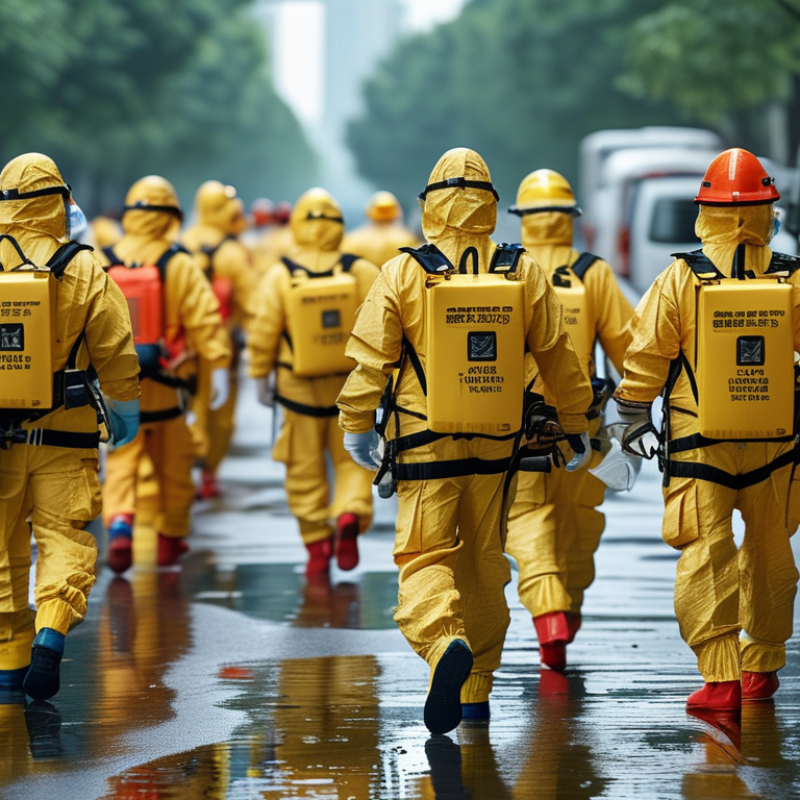
Emergency medical supplies are vital for effective healthcare response in crises. In China, identifying critical supplies can significantly impact survival rates during emergencies. Key items include personal protective equipment, surgical masks, and first-aid kits. These supplies help protect healthcare workers and treat patients efficiently.
Another essential category includes medications like analgesics and antibiotics. Access to these can make a difference in urgent situations. It’s crucial to maintain a robust supply chain to ensure timely availability. However, supply chain disruptions can occur, leading to shortages during heightened demand.
Evaluating local needs and risks is equally important. Different regions may face unique challenges requiring tailored medical supplies. Understanding these nuances can enhance preparedness. It’s not just about having products on hand; it’s also about knowing how to deploy them effectively. Making informed decisions on inventory can be a learning opportunity for future improvement.
When evaluating emergency medical supplies in China, understanding the regulatory standards is crucial. The Chinese government has strict guidelines for medical products. Compliance ensures safety and efficacy. Manufacturers must adhere to these standards to gain approval. Organizations importing medical supplies need thorough knowledge of these regulations.
**Tips:** Familiarize yourself with GB standards. This makes compliance smoother. Regular updates to regulations can happen. Stay informed to avoid surprises.
Documentation plays a vital role in the approval process. Importers must provide accurate data about their products. Inaccuracies can lead to delays or revocations of permits. Be thorough in your paperwork. Regulatory authorities often require detailed technical files.
**Tips:** Maintain clear records of all communications with regulatory bodies. This saves time during audits. Consider consulting experts familiar with Chinese regulations.
Finally, fostering relationships with local partners enhances understanding of the complexities involved. Their insights can be invaluable for navigating the regulatory landscape. However, remain cautious. Reliance solely on partners can lead to oversight of critical details. Balancing expertise is essential in this process.
| Consideration | Description | Regulatory Body | Compliance Level |
|---|---|---|---|
| Quality Standards | Ensuring that all medical supplies meet national and international quality standards. | NMPA | Mandatory |
| Import Regulations | Compliance with customs regulations and import licenses. | Customs Authority | Mandatory |
| Labeling Requirements | Proper labeling in Chinese language, including usage instructions and safety information. | NMPA | Mandatory |
| Certification | Certification of medical devices by the NMPA. | NMPA | Mandatory |
| Safety Standards | Adherence to safety and efficacy standards for emergency medical supplies. | NMPA | Mandatory |
| Supply Chain Transparency | Ensuring transparency and traceability in the supply chain. | Industry Standards | Recommended |
| Post-Market Surveillance | Ongoing monitoring of product performance after market release. | NMPA | Mandatory |
| Crisis Preparedness | Maintaining stocks for emergency situations and rapid deployment. | Local Health Authorities | Recommended |
| Training and Education | Training for healthcare providers on the usage of emergency supplies. | Health Education Bodies | Recommended |
| Ethical Sourcing | Ensuring that all materials are sourced ethically and sustainably. | Industry Standards | Recommended |
When evaluating supply chain logistics for emergency medical response, several factors come into play. The ability to quickly assess local needs is critical. Various regions have different requirements depending on their infrastructure and resources. This calls for flexibility and adaptability in planning and distribution.
Tips: Collaborate with local health authorities. Understand the specific medical needs of the community. Timely communication can significantly improve response effectiveness.
Logistics involves more than just transporting supplies. It requires meticulous planning and coordination. Warehousing facilities must be strategically located near affected areas. This enables rapid deployment when emergencies arise. Poor logistics could lead to delays, which can be detrimental to saving lives.
Tips: Utilize technology for real-time tracking of inventory. Consider using drones or small vehicles for remote deliveries. Efficiency can be greatly enhanced with the right tools.
Not all supply chains are equally reliable. Some may suffer from bottlenecks or miscommunication. Regular assessment of the supply chain can identify areas needing improvement. Addressing these weaknesses is essential for a robust emergency medical response.
This chart illustrates the key considerations in evaluating supply chain logistics for emergency medical response in China. The data reflects the importance of various factors on a scale from 1 to 10, where 10 indicates the highest importance.
In the world of emergency medical supplies, quality control and safety are paramount. A report by the World Health Organization indicates that nearly 10% of medicines and medical products worldwide are substandard or falsified. This alarming statistic highlights the importance of rigorous quality checks throughout the supply chain. Every step matters—from manufacturing to distribution. The integrity of these supplies can directly influence patient outcomes.
Monitoring and auditing suppliers regularly is crucial. Organizations should ensure that their suppliers comply with international standards, such as ISO 13485 for medical devices. Diversifying suppliers can also reduce risks associated with reliance on a single source. Transparency in the supply chain helps instill confidence among healthcare providers and patients alike.
Tip: Always verify the certifications of suppliers.
Healthcare facilities should maintain clear protocols for inspecting supplies upon arrival. Any discrepancies should be documented immediately. Staff training on recognizing substandard products can enhance safety. Implementing feedback mechanisms can lead to continuous improvement in quality assurance practices.
Tip: Educate your staff regularly.
In emergencies, the pressure to deliver timely care can lead to overlooked quality checks. However, this oversight can have severe consequences. Striking a balance between efficiency and thoroughness is essential. Regular reviews of safety protocols ensure that healthcare providers remain vigilant in their commitment to quality.
In crisis situations, distributing emergency medical supplies efficiently is crucial.
Logistics must prioritize speed and accessibility. Teams should assess local needs quickly.
Each region may have different requirements. Understanding the specific medical supplies necessary can save lives.
Flexibility in distribution methods often proves beneficial.
Transportation can include drones, trucks, or even bicycles, depending on the terrain.
Communication plays a vital role in this process.
Continuous updates from the field help teams adjust their strategies.
Collaboration among local healthcare providers can enhance distribution efficiency.
Yet, challenges arise, such as roadblocks or damaged infrastructure.
Planning for contingencies is essential. A well-prepared team can pivot and find alternative routes for delivery.
Moreover, stockpiling supplies in easily reachable locations can expedite the process.
While it is important to have available supplies, overstocking can lead to waste.
Regular assessments of inventory levels can refine this balance.
Learning from past crises is imperative. Each event offers insights into what works and what doesn’t.
Reflection on these experiences can lead to better strategies in the future.
: Vital supplies include personal protective equipment, surgical masks, and first-aid kits. They protect workers and treat patients.
Access to analgesics and antibiotics can significantly improve patient outcomes during urgent care situations.
Effective logistics ensure timely delivery of supplies. Poor logistics can delay critical aid and endanger lives.
Evaluate regional infrastructure and resources. This helps tailor medical supplies to specific local challenges.
Regular supplier audits and compliance with international standards are essential for ensuring high-quality medical products.
Inspect supplies upon arrival and document discrepancies. Training staff to identify substandard products is crucial.
Utilizing real-time tracking and drones for deliveries can significantly enhance response efficiency.
Bottlenecks and miscommunication can create shortages. Regular evaluations can identify and improve these weaknesses.
Educated staff are better equipped to recognize substandard products, ensuring a higher level of safety and quality.
Regular reviews of protocols ensure timeliness without compromising on necessary quality checks.
In the context of emergency response, understanding "What Are The Key Considerations For Emergency Medical Supplies" in China is crucial for efficient healthcare delivery. First, identifying critical emergency medical supplies ensures that the necessary equipment and medications are available when and where they are needed most. It is equally important to assess the regulatory standards governing these supplies to ensure compliance with safety and effectiveness benchmarks.
Furthermore, evaluating supply chain logistics is essential for a timely and coordinated medical response during crises. Quality control mechanisms must be in place to guarantee the safety of medical supplies, preventing any potential risk to patients and healthcare providers. Finally, developing strategies for efficient distribution is vital to enhance the responsiveness and effectiveness of medical supply delivery in emergency situations. Collectively, these considerations form the backbone of a robust emergency medical supply strategy in China.
