SHEFA Medical
The medical product manufacturing industry is rapidly evolving. Innovative technologies are redefining how products are developed and produced. According to a recent report from Grand View Research, the global medical device manufacturing market is expected to reach USD 500 billion by 2026. This growth reflects a pressing need for efficiency and quality.
What are the emerging technologies in medical product manufacturing? Advanced 3D printing techniques enable rapid prototyping and custom designs. AI-driven analytics enhance decision-making processes, while robotics streamline assembly lines and reduce human error. Additionally, biodegradable materials are gaining traction, pushing the boundaries of sustainability in healthcare.
Although these advancements present significant opportunities, challenges remain. For instance, the integration of these technologies into existing systems can be complex. Many companies struggle to adapt and invest in these innovations, leading to potential disruptions. It is crucial for stakeholders to evaluate both the benefits and drawbacks carefully. Navigating this landscape requires expertise and a commitment to continuous improvement in medical manufacturing practices.
The medical product manufacturing industry is rapidly evolving. New technologies are reshaping how products are designed and produced. 3D printing stands out in this transformation. It allows for rapid prototyping and customization of medical devices. This technology reduces waste and speeds up production times.
Another significant trend is the use of artificial intelligence. AI systems analyze vast amounts of data to predict manufacturing outcomes. These insights lead to improved quality control. However, reliance on AI can lead to unforeseen biases and errors. It is essential to maintain human oversight in these processes.
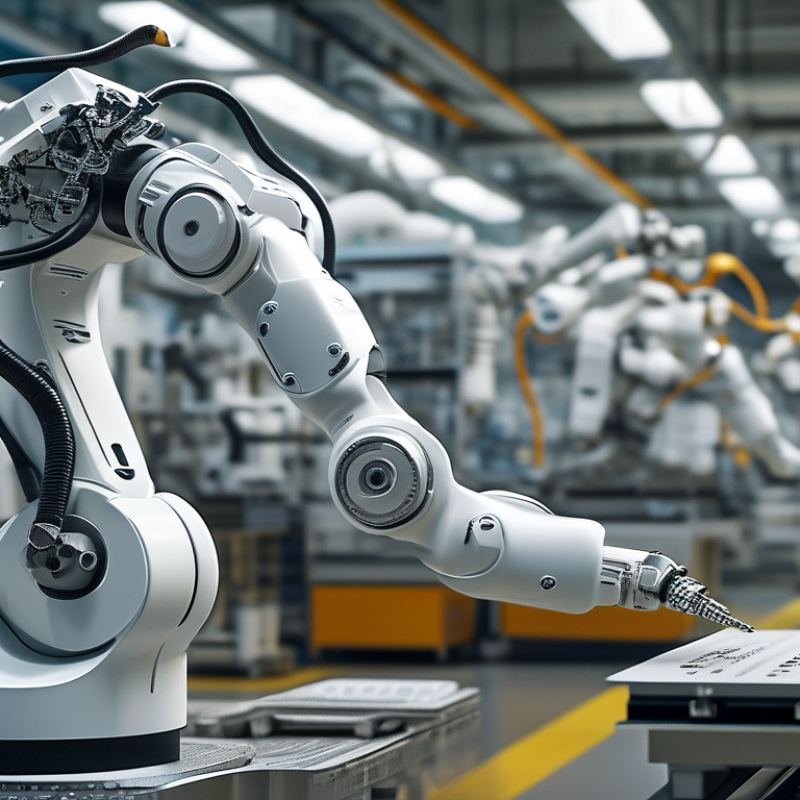
Robotics also plays a vital role in enhancing production efficiency. Automated systems streamline repetitive tasks, reducing human error. However, integrating robotics can be costly and complex. Facilities must consider the long-term benefits against initial investments. Each of these emerging technologies brings both promise and challenges to the medical product manufacturing landscape.
Additive manufacturing, often known as 3D printing, is transforming medical device creation. This technology allows for custom-tailored products. In a study by Wohlers Associates, the additive manufacturing industry is expected to reach $35.6 billion by 2024. This growth underscores its pivotal role in healthcare.
Custom implants and prosthetics are one major application. For instance, surgeons can create patient-specific models for more accurate procedures. Research indicates that additive manufacturing can reduce production time by 50%, which is crucial in the fast-paced medical field. However, challenges remain. Reliability and consistency of materials often need further evaluation.
Data shows that only 15% of medical professionals fully understand additive manufacturing's benefits. This gap in knowledge can hinder adoption. Continuous education and training in this technology are essential. The potential for innovation is immense, but the industry must address these educational deficiencies. Understanding the limitations and possibilities will define the future of medical device manufacturing.
Smart materials are transforming healthcare products in profound ways. These innovative materials can adapt to their environment, leading to enhanced functionality and performance. For instance, shape-memory alloys can return to their original shape after deformation, making them ideal for stents in medical applications. Such adaptability can improve patient outcomes by ensuring precise functionality in complex situations.
Incorporating smart materials can also streamline manufacturing processes. Materials that change properties in response to external stimuli can reduce the need for intricate designs. This simplifies production while maintaining effectiveness. However, it's critical to be mindful of cost implications. Advanced materials can be expensive, so assessing long-term benefits versus initial investment is essential.
Tips for manufacturers: always evaluate the lifecycle of smart materials. Consider biocompatibility and environmental impact. Regular testing is necessary to ensure performance matches expectations. This attention to detail fosters reliability in healthcare products. The right materials can lead to significant advancements in patient care, but careful implementation is vital for success.
The rise of automation and robotics in medical product manufacturing is transforming the landscape. According to a recent report by the International Federation of Robotics, the use of industrial robots in healthcare has increased by 30% in the past five years. This surge is due to the need for precision and reliability in producing medical devices. Automation can reduce human errors, ensuring higher quality in manufacturing processes.
Streamlining production with automation allows manufacturers to increase efficiency. For instance, automated assembly lines can produce devices much faster than manual labor. The World Economic Forum estimates that the integration of automation could increase productivity in the medical field by up to 20%. However, there are challenges. Implementing advanced technologies requires a skilled workforce and substantial upfront investment. Data from McKinsey shows that companies often underestimate the complexity of transitioning to automated systems.
Tips: Invest in training for your workforce. Continuous learning helps adapt to new technologies. Consider collaborative robots (cobots) that work alongside humans. They can enhance efficiency while minimizing risks. Monitor your processes and gather data. Adjustments based on real-time information can lead to better outcomes. Automation is not a one-size-fits-all solution; reflecting on your specific needs is crucial for success.
Artificial Intelligence (AI) is reshaping the landscape of medical product manufacturing. It plays a crucial role in quality control and design optimization. By leveraging machine learning algorithms, manufacturers can detect defects early in the production line. This proactive approach minimizes waste and enhances product reliability. Data-driven decisions are made more efficiently, fostering innovation.
In terms of design optimization, AI can analyze vast datasets to identify optimal configurations. This leads to better product designs tailored to patient needs. However, this technology is not without challenges. Algorithms can become biased if the training data is unbalanced. This creates potential risks, affecting the final product quality. The role of human oversight remains essential, ensuring that AI complements rather than replaces expertise.
Healthcare professionals must be vigilant in adapting to these changes. Continuous learning and adaptation are key. Integrating AI into existing workflows requires training and an understanding of its limitations. Encouraging collaboration between engineers and medical experts can bridge gaps. By focusing on both the benefits and drawbacks of AI, the industry can move forward responsibly.
: 3D printing allows for rapid prototyping and customization. It reduces waste and speeds up production times.
AI analyzes data to predict outcomes and detect defects early. This minimizes waste and improves product reliability.
Algorithms may become biased due to unbalanced training data. This can affect product quality and reliability.
Human intervention ensures better decision-making. It helps to prevent biases and maintains quality control.
Robotics streamline repetitive tasks, reducing errors and increasing productivity. However, setup can be costly and complex.
They must weigh the long-term benefits against initial costs. Reflection on potential challenges is also vital.
The article "Top 10 Emerging Technologies in Medical Product Manufacturing" explores pivotal innovations shaping the future of healthcare products. It provides an overview of emerging technologies in medical product manufacturing, emphasizing significant advancements such as Additive Manufacturing, which is revolutionizing the creation of medical devices by allowing for customized solutions and intricate designs. Additionally, Smart Materials are highlighted for their ability to enhance the functionality of healthcare products, responding dynamically to environmental changes.
Automation and Robotics play a crucial role in streamlining production processes, increasing efficiency, and reducing human error. Furthermore, the integration of Artificial Intelligence in quality control and design optimization is transforming how medical products are developed and tested, ensuring higher standards of safety and performance. Overall, the article answers the question, "What Are The Emerging Technologies In Medical Product Manufacturing," showcasing how these innovations are set to improve patient outcomes and advance the healthcare industry significantly.
