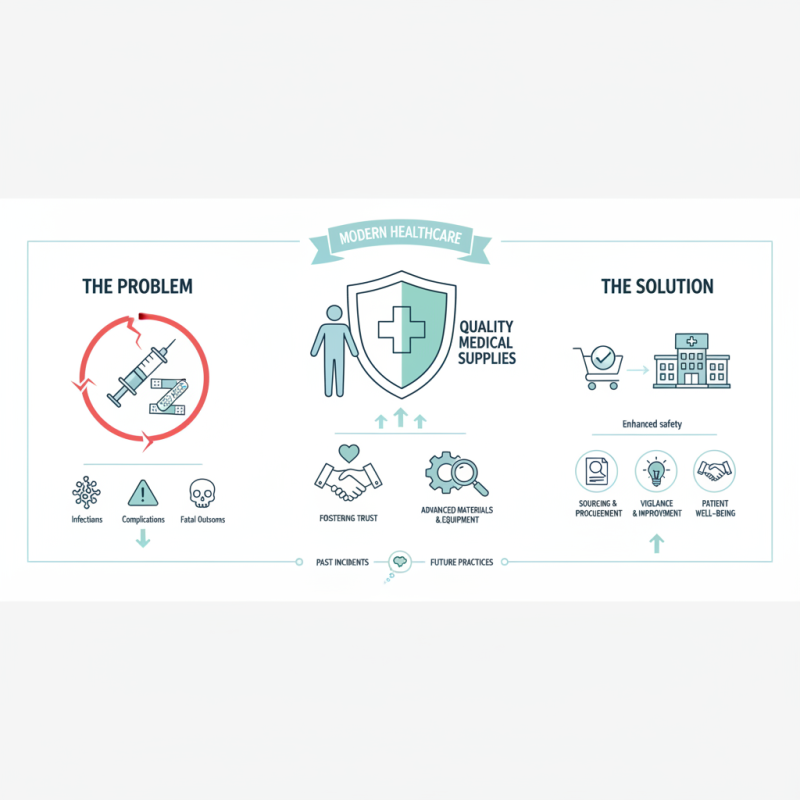
In modern healthcare, the emphasis on patient safety has become paramount. One crucial aspect of ensuring safety lies in the quality of medical supplies used in clinical settings. How to improve patient safety with high-quality medical supplies is a pressing question facing healthcare providers. Subpar supplies can lead to complications, infections, and even fatal outcomes.
Using high-quality medical supplies not only enhances patient safety but also fosters trust between patients and healthcare professionals. Advanced materials and better-designed equipment can mitigate risks. However, the availability of top-tier supplies can vary greatly, leading to inconsistencies in patient care. Healthcare facilities must prioritize their sourcing and procurement processes to avoid compromising safety.
In a world striving for excellence in healthcare, the conversation about quality is ongoing. Reflection on past incidents can guide future practices. Mistakes often stem from using inadequate supplies, indicating the need for vigilance and improvement. Ultimately, the responsibility rests on healthcare providers to ensure they choose only the best materials for their patients’ well-being.
Understanding the Importance of Quality Medical Supplies for Patient Safety
Quality medical supplies play a critical role in ensuring patient safety. When healthcare providers use inferior products, the risk of complications increases significantly. Imagine a surgical sponge left inside a patient after surgery. This could lead to infections and further surgeries. Using high-quality, reliable supplies can help mitigate such risks. They ensure accurate measurements, proper dosages, and better patient outcomes.
In addition, training staff on the importance of these supplies is essential. A lack of understanding can lead to mistakes. For example, using the wrong type of catheter can cause serious infections. Therefore, ongoing education and clear communication are vital. Healthcare professionals must be aware of how quality impacts patient safety.
Moreover, the supply chain itself requires vigilance. Not all vendors meet the necessary standards. Healthcare facilities should routinely audit their supplies and suppliers. This proactive approach can reveal potential issues. They can identify inadequacies before they affect patient care. Emphasizing quality and reliability in medical supplies is not just best practice; it is essential for safeguarding patients.
Identifying Key Characteristics of High-Quality Medical Supplies
High-quality medical supplies are essential for enhancing patient safety. These supplies must meet certain characteristics to ensure effectiveness in clinical settings. According to a report from the World Health Organization, the right medical supplies can significantly reduce adverse events in healthcare, with up to 30% of incidents linked to poor quality products.
When selecting medical supplies, look for durability and reliability. High-quality materials reduce breakage and operational failures, which can compromise patient safety. A study from the Institute for Healthcare Improvement highlighted that 60% of healthcare workers reported concerns over the quality of supplies impacting their ability to deliver safe care. This indicates a pressing need to prioritize quality assurance processes.
Tip: Always check for certifications and compliance with industry standards. Avoid supplies from manufacturers with unclear sourcing. Quality should never be compromised, even if it comes with a higher price tag.
Furthermore, consider user-friendliness in design. Supplies that are challenging to use can lead to errors. A report from the National Institute of Standards and Technology found that poorly designed devices contributed to 30% of user errors in various healthcare settings. That’s a significant number.
Tip: Train staff regularly on best practices. Continuous education can help staff recognize and correct potential issues with medical supplies. Always foster a culture of safety and vigilance in the pursuit of excellence.
Implementing Standard Protocols for Medical Supply Selection
Implementing standard protocols for medical supply selection is crucial in enhancing patient safety. According to a study by the Institute of Medicine, unsafe medical supplies contribute to approximately 1.5 million injuries annually. Quality medical supplies can significantly reduce this risk. Establishing robust criteria for selection can ensure only safe, tested products are used.
Protocols should focus on the evaluation of reliability and performance. A survey conducted by the National Healthcare Supply Chain Network found that 45% of healthcare facilities reported issues with substandard supplies. This indicates that many organizations do not prioritize supply quality. Regular audits and supplier assessments can help in identifying potential risks.
Additionally, training staff on these protocols is essential. A report from the World Health Organization highlighted that 30% of errors in patient safety are linked to inadequate knowledge of supply protocols. Creating educational resources and conducting workshops can empower healthcare providers to make informed decisions. Establishing a culture of safety in medical supply selection is vital for improving patient outcomes.
Enhancing Patient Safety with Quality Medical Supplies
Training Healthcare Staff on Safe Use of Medical Supplies
Training healthcare staff on the safe use of medical supplies is crucial for enhancing patient safety. A report from the Agency for Healthcare Research and Quality indicates that 44,000 to 98,000 patients die annually due to medical errors in the United States. Many of these errors can be traced back to inadequate training. Investing in proper training protocols is essential.
Practical training sessions can drastically improve staff knowledge and confidence. Simulation-based education allows healthcare professionals to practice using medical supplies without risking patient safety. A study published in the Journal of Patient Safety found that hospitals with simulation training reported a 30% decrease in supply-related errors. However, despite these benefits, many institutions still overlook this critical aspect of training.
Regular assessments help identify gaps in knowledge. Staff can attend refresher courses to stay updated on best practices. Yet, it's alarming that some facilities still view such training as optional. The reluctance to prioritize ongoing education can lead to dangerous situations for both patients and staff. Continuous improvement in training methods is needed to ensure that all healthcare professionals are fully equipped to use medical supplies safely.
Monitoring and Evaluating the Impact of Supplies on Patient Outcomes
Monitoring the impact of medical supplies on patient outcomes is crucial in healthcare settings. Research indicates that nearly 30% of adverse patient events are linked to inadequate or faulty medical supplies. This statistic underscores the need for rigorous evaluation methods to assess supply quality. It is not just about having supplies available. The effectiveness and reliability of these materials directly influence patient safety.
An approach to monitoring involves regular audits of supplies used in treatment. Tracking incidents related to specific products can reveal patterns in patient outcomes. These evaluations can guide healthcare facilities in making informed decisions about supply chain management. For instance, a study found that hospitals implementing a streamlined process for evaluating high-risk supplies saw a 20% reduction in related complications. Clinical feedback can also support continuous improvement in supply quality.
Moreover, staff training plays a vital role in ensuring the safe use of medical supplies. Even with high-quality materials, improper usage can lead to errors. In a survey, 40% of healthcare professionals reported feeling unaware of the best practices associated with certain supplies. Addressing this knowledge gap enhances safety. Regular training sessions can empower staff and promote a culture of safety. This collaborative effort is essential for optimizing patient outcomes.
How To Enhance Patient Safety With Quality Medical Supplies? - Monitoring and Evaluating the Impact of Supplies on Patient Outcomes
| Medical Supply Type |
Usage Frequency |
Patient Outcome Impact |
Error Rate (%) |
Feedback Score (out of 5) |
| Surgical Instruments |
High |
Significant Improvement |
1.2% |
4.8 |
| Diagnostic Equipment |
Moderate |
Moderate Improvement |
2.5% |
4.5 |
| Patient Monitors |
High |
Critical Improvement |
0.8% |
4.9 |
| Medications |
Very High |
High Improvement |
3.0% |
4.3 |
| Personal Protective Equipment |
High |
Significant Improvement |
1.5% |
4.6 |
Conclusion
In the quest to enhance patient safety, understanding how to improve patient safety with high-quality medical supplies is paramount. Quality medical supplies play a critical role in minimizing the risk of complications and ensuring positive patient outcomes. Key characteristics of these supplies include reliability, durability, and compliance with health regulations.
Implementing standardized protocols for the selection of medical supplies is essential in maintaining high safety standards. Moreover, training healthcare staff on the proper use of these supplies fosters a culture of safety and improves overall care delivery. Continuous monitoring and evaluation of the impact that medical supplies have on patient outcomes further support the commitment to patient safety, allowing healthcare providers to make informed decisions and adjustments as necessary.
 SHEFA Medical
