SHEFA Medical SHEFA Medical

Environmental Effects of Disposable Medical Products Explored?

Time:2026-05-28 Author:Isabella
0%

The healthcare industry has increasingly relied on disposable medical products due to their convenience and perceived safety. However, this trend raises critical questions about their environmental impact. An estimated 5 billion plastic face masks were used globally in 2020 alone, contributing significantly to plastic waste. This leads us to the question: What Are The Environmental Impacts Of Disposable Medical Products?

A 2021 report from the World Health Organization indicated that the pandemic resulted in a staggering increase in medical waste. Approximately 87,000 tons of waste were generated due to the COVID-19 response. This escalation highlights the urgent need to evaluate the environmental footprint of these products. While they serve essential purposes, the long-term effects on ecosystems and public health cannot be ignored.

Moreover, many disposable items, such as syringes and gloves, take decades to decompose. These products can release harmful chemicals into the environment. Until now, the focus has been on immediate health benefits, often overlooking the hidden costs. As we further explore these impacts, a sustainable balance between public health and environmental stewardship is crucial.
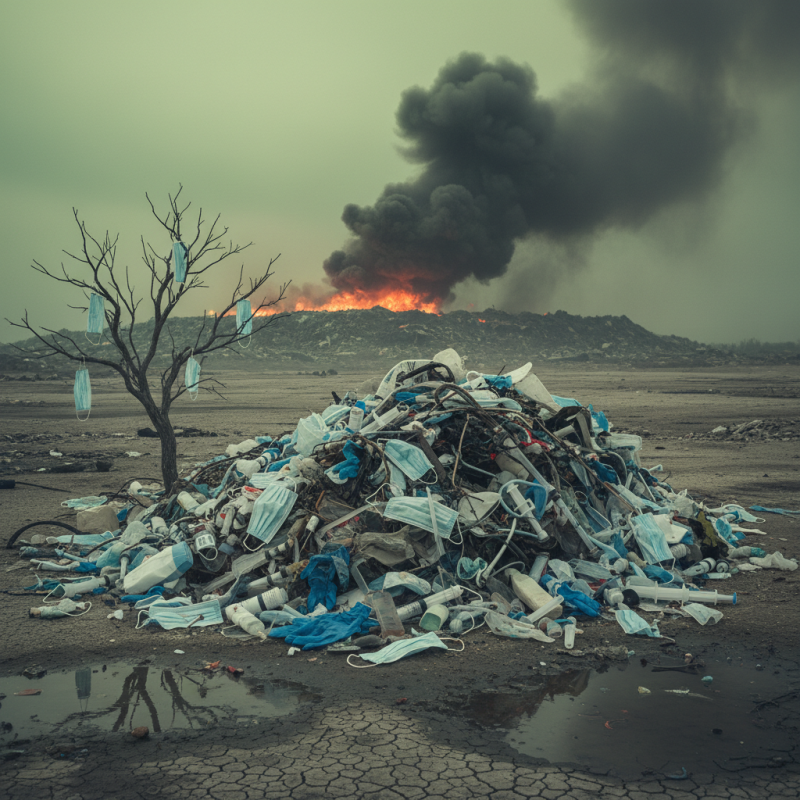
Environmental Effects of Disposable Medical Products Explored?

Overview of Disposable Medical Products and Their Usage

Disposable medical products have become essential in healthcare settings. Items like syringes, gloves, and gowns are widely used. Their convenience and effectiveness often come at a cost to the environment. The production and disposal of these products lead to significant waste. This waste contributes to landfills and pollution.

The increasing reliance on disposable products raises questions. How many of these items are truly necessary? Many healthcare facilities prioritize efficiency over sustainability. Yet, the environmental impact is alarming. Most of these products are made from plastic, which takes centuries to decompose. Inadequate recycling efforts exacerbate the issue. Many items are simply discarded without consideration for their long-term effects.

Healthcare professionals must reflect on their choices. Could reusable options be viable alternatives? While the switch may require an initial investment, the potential benefits are substantial. Balancing patient safety with environmental responsibility is critical. Awareness of the environmental effects can lead to better practices in the medical field.

Types of Disposable Medical Products and Their Environmental Impact

Disposable medical products, such as syringes, gloves, and masks, are essential in healthcare. However, their environmental impact is significant. These items are often made from non-biodegradable materials. When discarded, they contribute to plastic pollution. This pollution harms wildlife and ecosystems.

Syringes and other single-use items do not decompose easily. They may sit in landfills for decades. The production of these products also consumes resources and generates waste. Healthcare providers face a dilemma: maintaining safety while minimizing environmental harm.

Efforts to improve recycling and reduce waste are crucial. Some facilities have started to explore alternatives, like biodegradable materials. However, the shift requires time and investment. Awareness and education about the impact of disposable items are necessary. Only through collective action can effective change occur.

Challenges in Managing Medical Waste from Disposable Products

The challenge of managing medical waste has become increasingly pressing. In the healthcare sector, disposable medical products account for a significant portion of the waste generated. According to the World Health Organization, around 16 billion injections are administered every year, creating enormous amounts of plastic waste. Each day, hospitals dispose of vast quantities of items like syringes, gowns, and masks, contributing to environmental degradation.

A report from the Environmental Protection Agency highlights that medical waste can comprise up to 15% of total waste in healthcare facilities. Yet, a substantial amount is still incinerated or sent to landfills, leading to carbon emissions and potential land contamination. The reliance on single-use products exacerbates this issue. Enhanced recycling methods exist, but many facilities lack the infrastructure to implement them effectively.

Furthermore, the COVID-19 pandemic has intensified the burden of medical waste management. The increased use of personal protective equipment has surged, leading to an estimated 6,000 tonnes of additional waste per day globally. This highlights the urgent need for strategic approaches to recycling and waste reduction. Addressing these challenges requires collaboration among healthcare providers, policymakers, and waste management organizations to develop sustainable practices.

Sustainable Alternatives to Traditional Disposable Medical Products

Disposable medical products play a significant role in healthcare. However, their environmental impact raises concerns. Many of these products end up in landfills, contributing to pollution. The pursuit of sustainable alternatives is gaining momentum in the medical field.

One promising alternative is biodegradable materials. These options break down naturally, reducing waste. Compostable items can also be used in various settings. Healthcare facilities can transition to these alternatives without sacrificing hygiene or safety. It is essential to engage with suppliers who prioritize eco-friendly options.

Tips: Consider using reusable items when possible. Educate staff on proper waste segregation. Explore partnerships with companies that focus on sustainability. Small changes can lead to significant impacts. Embracing a greener approach benefits both the environment and patient care. As the industry evolves, continuous assessment of product lifecycles becomes crucial. Stakeholders must openly discuss the challenges ahead. Without reflection, we risk repeating past mistakes.

Environmental Effects of Disposable Medical Products Explored? - Sustainable Alternatives to Traditional Disposable Medical Products

Product Type Environmental Impact (kg CO2e) Alternative Material Benefits of Alternative
Syringes 8.5 Bio-based Plastics Lower carbon footprint, biodegradable
IV Bags 15 Recyclable Polyethylene Easier recycling process, reduced waste
Gloves 20 Natural Rubber Renewable resource, biodegradable
Face Masks 11 Organic Cotton Sustainable farming, reusable
Scalpels 5 Stainless Steel (reusable) Lifespan extension, reduced waste

Regulatory Measures and Industry Initiatives for Environmental Protection

The environmental impact of disposable medical products is a growing concern. While these items protect health, their disposal poses challenges. Many products are non-biodegradable and contribute to landfill waste. Regulatory measures are essential to mitigate these effects. Governments are starting to enforce stricter regulations on waste management in healthcare settings. This includes guidelines for recycling and disposal of medical waste.

Industry initiatives also play a critical role. Some manufacturers are exploring sustainable materials for their products. Biodegradable alternatives are being developed to reduce environmental footprints. However, these innovations are not widespread. Cost and regulatory hurdles often inhibit adoption. Healthcare providers face pressure to balance patient safety and environmental responsibility.

Despite progress, the situation is complex. Compliance with regulations requires ongoing education for healthcare staff. There is also a need for better waste segregation practices. Awareness of environmental issues must be woven into training programs. Reflecting on current practices reveals room for improvement. Engaging with these challenges can lead to more sustainable healthcare solutions.

FAQS

: What are disposable medical products?

: Disposable medical products include items like syringes, gloves, and masks used in healthcare settings.

Why are disposable medical products a concern?

They lead to significant environmental impact through plastic pollution and non-biodegradable waste accumulation.

How long do these products take to decompose?

Many disposable items can sit in landfills for decades without breaking down.

What is a potential alternative to traditional disposable products?

Biodegradable materials are being explored as they break down naturally and reduce waste.

How can healthcare facilities reduce environmental harm?

Facilities can consider using reusable items and engage with suppliers prioritizing eco-friendly options.

Why is awareness important in this context?

Educating staff and the community about the impact of disposable items can drive collective change.

What role does recycling play in addressing waste?

Improving recycling efforts is crucial in managing the environmental impact of disposable products.

Can healthcare providers maintain safety while reducing waste?

Yes, alternatives like compostable items help balance safety with environmental concerns.

What are the challenges in transitioning to sustainable products?

Time, investment, and industry-wide discussions are needed to tackle these challenges effectively.

Why should stakeholders reflect on their practices?

Reflection helps prevent repeating past mistakes and promotes continuous improvement in sustainability efforts.

Conclusion

The article titled "Environmental Effects of Disposable Medical Products Explored" delves into the pressing question, "What Are The Environmental Impacts Of Disposable Medical Products?" It begins with an overview of the widespread usage of these items in healthcare settings, highlighting their convenience yet significant ecological footprint. Various types of disposable medical products, such as syringes, gloves, and masks, are examined for their environmental consequences, particularly in terms of pollution and resource consumption.

Additionally, the article addresses the challenges faced in managing medical waste generated by these products, including improper disposal methods that exacerbate environmental harm. To counter these issues, the piece suggests exploring sustainable alternatives to conventional disposable products, emphasizing the importance of innovation in conserving resources. Finally, it outlines regulatory measures and industry initiatives dedicated to enhancing environmental protection, signaling a growing awareness and response to the ecological challenges posed by disposable medical products.

Isabella

Isabella

Isabella is a dedicated marketing professional with a sharp focus on driving brand growth and engagement through strategic content creation. With an extensive background in digital marketing, she combines her passion for storytelling with her keen understanding of industry trends to deliver......