SHEFA Medical
Effective medical waste management is crucial in today's healthcare landscape. Neglecting this responsibility can lead to significant health risks and environmental damage. Proper guidelines ensure safety for healthcare workers, patients, and the community. So, what are the essential guidelines for medical waste management?
Healthcare facilities generate diverse types of waste, including hazardous and non-hazardous materials. Recognizing this variety is the first step towards effective management. Rigorous training of staff is essential. They need to understand classification, segregation, and disposal methods. Implementing a clear system can minimize errors and enhance safety.
However, often, practices may still fall short. Facilities might overlook waste segregation, creating hazardous situations. Regular audits can help identify gaps in compliance. A culture of continuous improvement is vital. This encourages staff to question and refine their waste management practices, ultimately fostering a safer environment for everyone involved.
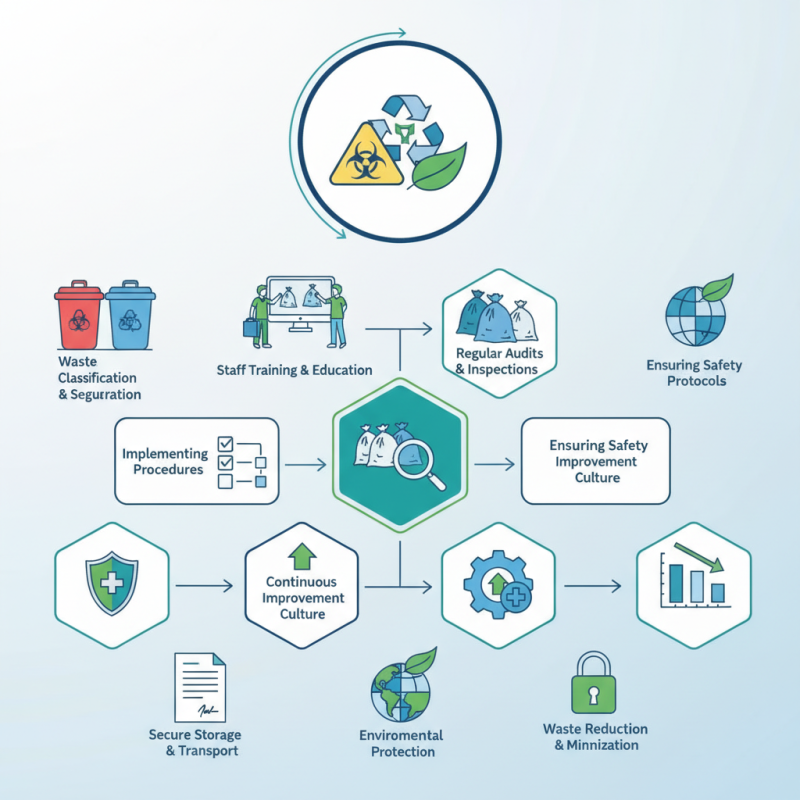
Effective medical waste management hinges on proper segregation. A well-organized color-coding system is vital. This system categorizes waste into specific types for safe disposal. Each color represents different waste categories, helping prevent contamination. For instance, sharp objects go into red containers. Infectious waste should be placed in yellow bags. This approach minimizes risks for staff and patients alike.
Training staff on color-coding is crucial. Many employees may overlook this system, leading to mistakes. Regular training sessions can help. Make sure everyone understands the importance of proper segregation. Visual aids can serve as reminders in busy areas. Keeping waste areas organized supports effective management, too.
However, challenges remain. Some facilities struggle with compliance. Waste may be mixed due to neglect or lack of awareness. Such habits can create hazards. Continuous monitoring is essential to improve practices. Leaders need to foster a culture that prioritizes safety and compliance.
Regulatory compliance in medical waste management is vital for health and safety. Legal guidelines vary globally, but many countries follow similar principles. The World Health Organization (WHO) reports that improperly managed medical waste can infect up to 16 million people annually. These alarming statistics underscore the need for compliance with stringent regulations.
Key legislation in the United States includes the Resource Conservation and Recovery Act (RCRA). This law governs the disposal of hazardous waste, including medical waste. Facilities must identify waste types and implement proper disposal processes. In 2020, the Environmental Protection Agency (EPA) highlighted that nearly 4.6 million tons of medical waste were generated. Of this, a significant portion was not disposed of per regulatory standards, posing health risks.
Institutions often face challenges in meeting these regulations. Lack of training and resources can lead to mistakes in waste segregation and disposal. According to a recent study, 30% of healthcare staff were unaware of current disposal protocols. Such gaps in knowledge reflect a broader issue in the industry. Amending these shortcomings is critical. Enhanced training and clear communication can improve compliance and reduce risks significantly.
The rise of medical waste has become a pressing issue for public health. Statistics show that improper disposal of medical waste can lead to the spread of infections. A case study revealed that hospitals without effective waste management protocols experienced a surge in hospital-acquired infections. This highlights how neglecting waste management affects patient safety.
In cities with high medical waste generation, the risk of disease transmission increases. Contaminated sharps, for example, pose a serious hazard. A single needle disposed of incorrectly can lead to numerous infections. Moreover, healthcare facilities often struggle with adequate training for staff in managing waste properly. Awareness of the materials that constitute medical waste is crucial for effective management.
Effective communication within healthcare facilities is often lacking. Staff may be unaware of the significance of following protocols. Inconsistent practices can result in hazardous waste being mixed with general trash. Facilities must address these shortcomings to safeguard the health of both workers and the public. Regular training and clear guidelines are essential for creating a safer environment and reducing the impact of medical waste on community health.
Advancements in medical waste disposal are crucial for healthcare facilities. New technologies improve efficiency and reduce costs. A recent report indicates that innovative disposal methods can cut waste management expenses by up to 30%. Methods like microwave treatment and patented shredders greatly enhance pathogen destruction. These technologies not only ensure compliance but also boost safety for healthcare workers and the public.
Tips: Consider investing in training for staff. Proper understanding of new technologies leads to better waste management practices. Regular audits can identify areas needing improvement.
Despite the benefits, challenges remain. Many facilities struggle to adopt these technologies fully. Factors include budget constraints and a lack of knowledge. A survey found that 40% of hospitals are unaware of the latest waste disposal technologies. Continuous education and support are necessary to overcome this gap in knowledge.
Tips: Stay informed about industry trends. Attending workshops can expand understanding of effective medical waste strategies. Collaborating with specialists can guide implementation effectively.
Effective medical waste management hinges on robust monitoring and training. Staff should receive regular training sessions. These sessions educate employees on safety protocols and waste segregation techniques. It’s crucial to use real-life scenarios during training. This helps staff understand potential pitfalls. Role-playing waste handling situations can also enhance their skills.
Regular audits can help maintain compliance. Checklists can guide staff in daily operations. This encourages attention to detail. Providing visual aids, like posters, reinforces training. However, it’s important to note that initial compliance may be low. Staff might resist new procedures. Gathering feedback can identify areas for improvement.
Emergency drills are essential as well. They prepare staff for unexpected situations. Practicing waste disposal during emergencies builds confidence. Not all staff will perform perfectly at first. Understanding that mistakes can happen fosters a supportive environment. Continuous improvement should be the goal. Staff feedback should be welcomed. This creates a culture of safety and compliance.
: Regulatory compliance ensures health and safety by preventing the spread of infections from improperly managed waste.
Many facilities lack training and resources, leading to mistakes in waste segregation and improper disposal.
A recent study found that 30% of healthcare staff were unaware of proper disposal protocols.
Improper disposal can lead to disease transmission, especially through contaminated sharps like needles.
Technologies like microwave treatment and shredders significantly enhance pathogen destruction and improve compliance.
Facilities should invest in staff training and regular audits to identify areas needing improvement.
Budget constraints and lack of knowledge about new technologies pose significant challenges for many hospitals.
Clear guidelines and regular training are essential for ensuring staff understand the importance of following protocols.
New disposal methods can reduce waste management expenses by up to 30%.
Attending workshops and collaborating with specialists can help professionals keep informed and improve practices.
Effective medical waste management is crucial for safeguarding public health and ensuring environmental safety. The essential guidelines for medical waste management include the implementation of best practices for waste segregation using color-coding systems, which help in the proper categorization of waste types. Adherence to regulatory compliance is vital, as it ensures that organizations meet key legislation and standards governing medical waste disposal.
Moreover, understanding the impact of medical waste on public health through various statistics and case studies underscores the urgency of effective management. Technological innovations play a significant role in enhancing disposal effectiveness while considering cost implications. Finally, monitoring and training are essential to ensure staff compliance and safety in waste handling. In summary, understanding what are the essential guidelines for medical waste management is imperative for health facilities aiming to mitigate risks associated with improper waste disposal.
