SHEFA Medical
The sterility of medical products is crucial for patient safety and effective treatment. What factors affect the sterility of medical products? This question holds great significance in healthcare. According to a 2022 report by the Global Healthcare Sterilization Market, improper sterilization practices can lead to contamination rates as high as 25% in certain medical environments.
Key factors include the sterilization method itself, the quality of raw materials, and the environmental conditions during storage. For instance, studies indicate that ethylene oxide sterilization remains highly effective, yet it requires strict adherence to guidelines. Temperature and humidity can also impact sterility, with deviations causing failures in sterilization processes.
Moreover, personnel training cannot be overlooked. A report from the International Association of Healthcare Central Service Materiel Management revealed that 70% of sterilization errors arise from human factors. This underscores the need for stringent protocols and ongoing education in the field. As we dive deeper into the top ten factors affecting sterility, it becomes clear that a comprehensive approach is essential for improving outcomes in medical settings.
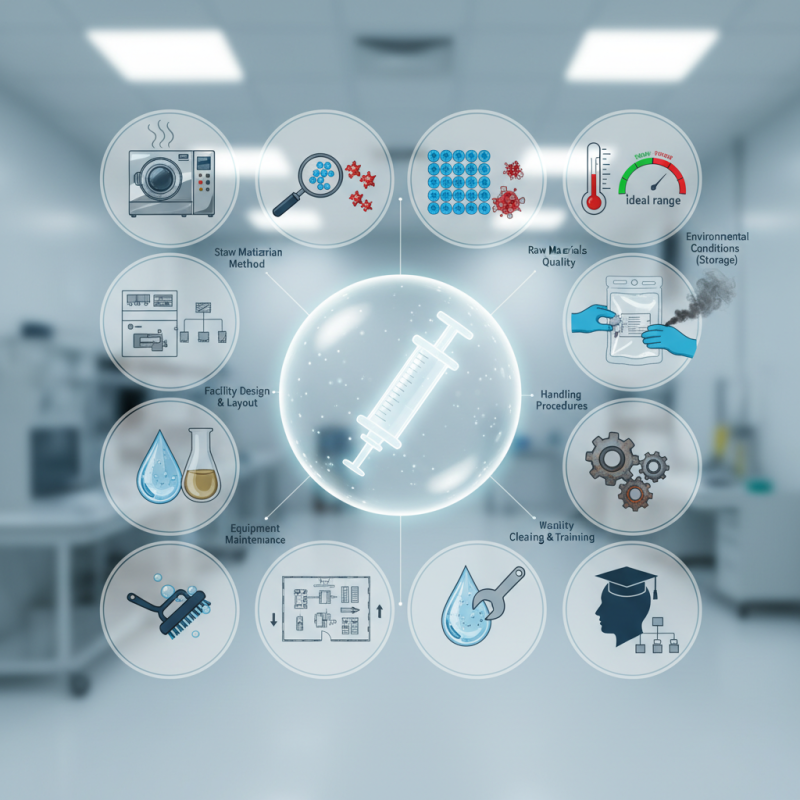
The manufacturing process of medical products is complex and multifaceted, with sterility being a primary goal. One critical factor is the environment where these products are made. Cleanrooms must maintain specific levels of cleanliness. Airborne particles and contaminants can easily compromise sterility. Therefore, rigorous monitoring and regular audits are essential.
Another vital aspect is the materials used in production. Different materials have varied susceptibilities to contamination. For example, plastics can harbor bacteria more than metals. Understanding these interactions is crucial.
Equipment used in manufacturing also requires careful selection and regular maintenance. Poorly maintained machines may introduce contaminants into the production line.
Training for staff members is often overlooked. Employee hygiene plays a significant role in maintaining sterility. Workers must adhere strictly to protocols. Even a small lapse can result in major consequences. Reflection on practices and continuous improvement are key. While steps can be taken to ensure sterility, the possibility of human error remains a daunting challenge.
The quality of raw materials is crucial for ensuring the sterility of medical products. Inadequate material selection can lead to contamination and jeopardize patient safety. The FDA reports that up to 70% of medical product failures are linked to raw material issues. Therefore, sourcing high-quality materials needs to be a priority.
Testing raw materials for sterility is essential. However, many manufacturers overlook this step, assuming that materials are inherently sterile. A recent study found that over 40% of medical devices showed contamination due to poor raw material quality. This highlights the need for stringent quality controls and proper supplier audits to mitigate risks.
Manufacturers should invest in comprehensive testing protocols. Regular microbial audits and environmental monitoring can help identify potential contamination sources. However, achieving true sterility is a complex challenge that requires ongoing attention and adaptation. It is important to reflect on existing processes and continuously seek improvements in raw material handling and testing.
Environmental conditions significantly impact the sterility of medical products.
Temperature, humidity, and airborne particles all play crucial roles in sterilization efficacy. According to the
American Society for Microbiology, higher temperatures can enhance sterilization rates, but too much heat may damage sensitive devices.
Maintaining optimal temperature ranges is essential for effective sterilization.
Humidity levels also influence microbial survival. A study from the Journal of Applied Microbiology shows that low humidity levels can lead to increased sterilization effectiveness.
However, excessively dry conditions might compromise the integrity of certain materials. Airborne particulates are another critical factor.
Contaminants in the air can introduce bacteria, leading to potential product contamination during the sterilization process.
Reflection on these factors is necessary. Environmental conditions can be unpredictable and vary greatly.
It's important for facilities to monitor these variables consistently. Many healthcare institutions may overlook the significance of proper ventilation.
This oversight can lead to increased contamination risks. Overall, understanding these environmental influences can help improve sterilization processes in medical settings.
The packaging of medical products plays a crucial role in maintaining sterility. According to the World Health Organization, improper packaging can lead to contamination, putting patients at risk. Studies show that nearly 30% of healthcare-associated infections originate from non-sterile medical devices. Effective packaging prevents microbial ingress and maintains the integrity of sterilized products.
Various materials are used in packaging, such as high-barrier films and heat-sealed pouches. These materials must withstand sterilization methods, including ethylene oxide and gamma radiation. A report by the FDA indicates that up to 15% of packaging failures occur during handling and transportation. Such failures highlight the need for robust packaging solutions that protect products from environmental factors.
Additionally, the design of packaging can impact the ease of use in clinical settings. Inadequate design might lead to difficulties during the opening process, increasing the chance of exposure. A survey revealed that roughly 25% of healthcare professionals have reported issues related to packaging usability. This suggests a need for continuous improvement and innovation in the packaging of medical products. Addressing these challenges is essential to ensuring the sterility and effectiveness of medical supplies.
This bar chart illustrates the top ten factors that impact the sterility of medical products. Each factor is scored based on its level of influence, with packaging integrity and manufacturing process being the most critical to maintaining sterility.
Regulatory standards play a crucial role in ensuring the sterility of medical products. Various organizations establish guidelines to maintain safety and efficacy. These regulations often dictate the sterilization methods used, such as steam, ethylene oxide, or radiation. Choosing the right method is vital, as each has its pros and cons. For instance, steam sterilization is effective but may not be suitable for heat-sensitive instruments.
When manufacturing medical products, adhering to Good Manufacturing Practices (GMP) is essential. These practices help mitigate contamination risks. Regular audits and validations must take place to ensure compliance. Yet, human error can occur, leading to lapses in sterility protocols. It's crucial to invest in proper training for staff on these regulations.
Tips for maintaining sterility include ensuring proper environmental controls. Keep manufacturing areas clean and monitor for microbial contamination regularly. Evaluating the effectiveness of sterilization processes is also important. Conduct routine sterility testing to detect any failures in the system. Continuous improvement in adherence to these standards not only protects patients but also enhances the quality of medical products.
: Raw material quality is crucial to prevent contamination and ensure patient safety. It impacts sterility directly.
Poor material selection can lead to contamination, which may result in medical product failures and compromise patient health.
Reports indicate that up to 70% of failures arise from raw material quality concerns.
Regular testing is necessary, yet many manufacturers skip this step, assuming materials are sterile.
Studies show that over 40% of medical devices may be contaminated due to poor raw material quality.
Implementing strict quality controls and conducting thorough supplier audits can significantly reduce risks.
Temperature, humidity, and airborne particles all critically affect sterilization effectiveness.
Correct temperature ensures effective sterilization while preventing damage to sensitive medical devices.
Low humidity can enhance sterilization rates, but excessively dry conditions might impair material integrity.
Continuous monitoring of environmental conditions is vital. Overlooking ventilation can lead to significant contamination risks.
In the realm of medical product manufacturing, understanding "What Factors Affect The Sterility Of Medical Products" is crucial for ensuring safety and efficacy. The manufacturing process is influenced by various factors, including the quality of raw materials, which plays a significant role in sterility assurance. High-grade materials reduce the risk of contamination and enhance the overall reliability of the final product.
Environmental conditions also significantly impact sterilization efficacy. Factors such as temperature, humidity, and air quality must be meticulously controlled during the sterilization process to achieve desired sterility levels. Furthermore, proper packaging is essential for maintaining sterility throughout the product's lifecycle, preventing exposure to contaminants post-sterilization. Finally, adherence to regulatory standards is paramount, as these guidelines govern the sterility protocols that medical products must meet to guarantee patient safety.
