In today’s interconnected world, medical supply distribution faces considerable challenges. Jonathon Reed, a leading expert in global logistics, states, "The complexities of medical supply chains often lead to unintended delays and shortages." This insight highlights the pressing concerns surrounding efficient distribution.
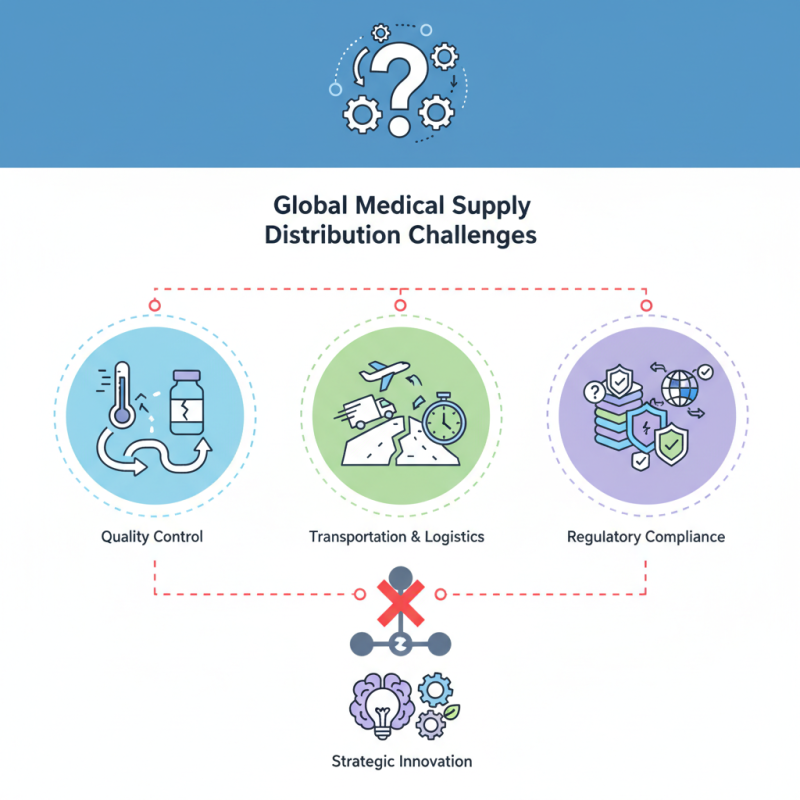
What are the key challenges in global medical supply distribution? One significant issue is maintaining quality control throughout the supply chain. Consistency in product standards is essential yet frequently compromised. Transportation hiccups can exacerbate these issues, particularly in remote areas. Thus, managing logistics requires a keen understanding of regional infrastructures.
Additionally, regulatory compliance remains a significant hurdle. Countries have varying regulations, which complicates the process. Experts like Reed argue that navigating these regulations demands expertise and adaptability. As we delve deeper into this topic, the persistent challenges in global medical supply distribution warrant critical reflection and strategic innovation.
Key Factors Influencing Global Medical Supply Distribution Efficiency
Efficient global medical supply distribution hinges on several key factors. These include logistics management, supply chain transparency, and real-time data sharing. Logistic challenges can often lead to delays. Poor infrastructure in certain regions complicates the situation further. Lack of proper transport means vital supplies may not reach their destinations on time.
Additionally, effective communication among stakeholders is crucial. If suppliers, manufacturers, and healthcare providers do not communicate, it leads to chaos. Misalignment can cause shortages or surpluses in specific areas. Real-time monitoring is essential for adapting to changes, but not all systems are equipped for this. Many organizations still struggle with outdated technology.
Moreover, regulatory compliance plays a role in efficiency. Different regions have varying regulations that can complicate distribution. Navigating these rules requires effort and expertise that some companies lack. Finding a balance is necessary. Standardization could help streamline processes, but achieving it is easier said than done. The need for continual improvement in these areas is evident.
Top Challenges in Global Medical Supply Distribution
Transportation Challenges in Global Medical Supply Networks
Transportation stands as a significant hurdle in global medical supply networks. Challenges arise from unpredictable factors like
weather conditions and geopolitical tensions. These issues can delay critical supplies, impacting healthcare systems worldwide. The urgency of timely deliveries cannot be overstated. When supplies miss their deadlines, patient care is jeopardized, emphasizing the need for robust transportation strategies.
Tips: Establish clear communication with logistics partners. Regularly evaluate your transportation routes for efficiency. It’s crucial to adapt quickly to unexpected disruptions.
Additionally, regulations can vary greatly across regions. Compliance with local laws is essential. It ensures that the transportation of medical supplies meets safety standards. However, navigating these regulations can be complex. Misunderstandings may lead to delays or legal issues.
Tips: Invest in training for your team on international regulations. Employ technology to monitor compliance effectively. Understanding the landscape reduces risks significantly.
Supply chain transparency is another vital aspect of effective transportation. Stakeholders often struggle with visibility into the distribution process. This lack of clarity can lead to mismanaged inventory and unmet demands. Building a reliable network can help mitigate these issues.
Tips: Utilize tracking systems for real-time data on shipments. Foster relationships with reliable carriers. Engaging with experienced partners brings more reliability to your supply chain operations.
Regulatory Compliance and Its Impact on Medical Supply Distribution
Regulatory compliance is a cornerstone of medical supply distribution. Manufacturers and distributors must navigate a labyrinth of rules. These regulations can vary significantly by region. Differences can lead to delays or increased costs. For example, a new packaging standard in one country may not be recognized elsewhere. This inconsistency challenges the efficiency of supply chains globally.
Compliance requires constant monitoring and adaptation. Companies often invest heavily in compliance programs. Yet, even with resources, mistakes can occur. A minor oversight in documentation could lead to severe penalties. Compliance does not only mean following the rules; it involves an ongoing commitment to quality. The pressure to comply can stifle innovation. Companies may hesitate to introduce new products due to potential regulatory roadblocks.
The impact on distribution channels is profound. Delays in approvals can slow down the supply of critical medical supplies. Medical facilities may face shortages, affecting patient care. Supply chain managers must be agile. They need to respond quickly to both regulatory changes and market demands. Effective training and awareness can mitigate risks. However, the reality often leads to uncertainty and challenges in maintaining a stable supply.
Supply Chain Disruptions and Risk Management in Healthcare Logistics
Supply chain disruptions pose significant challenges in healthcare logistics. Unexpected events, like natural disasters, can halt distribution channels instantly. Manufacturers may face shortages of raw materials, impacting the entire supply chain. This unpredictability affects hospitals and clinics, leading to delays in patient care. Maintaining an efficient distribution network in such a volatile environment is critical.
Risk management strategies are essential for healthcare organizations. Developing contingency plans can help mitigate the effects of supply chain interruptions. Training staff to respond swiftly to disruptions can further enhance resilience. Emphasizing strong communication with suppliers ensures transparency about potential risks. However, many organizations still struggle with implementation.
Investing in technology can help track inventory better. Digital tools provide real-time data about stock levels and shipment statuses. However, not all organizations leverage these tools effectively. Ineffective use of technology can lead to missed opportunities. A commitment to continuous improvement is necessary for successful risk management. Engaging with stakeholders can highlight gaps in current strategies and drive progress.
Top Challenges in Global Medical Supply Distribution
| Challenge |
Description |
Impact |
Mitigation Strategies |
| Supply Chain Disruptions |
Unexpected events like natural disasters or geopolitical tensions disrupting supply chains. |
Delays in product availability, increased costs, and potential patient care impact. |
Diversify suppliers, maintain safety stock, and implement responsive logistics solutions. |
| Regulatory Compliance |
Adhering to varying regulations across countries can complicate distribution. |
Potential fines, product recalls, and halted shipments. |
Regular compliance audits, training staff, and leveraging local partners. |
| Inventory Management |
Balancing supply with demand to avoid shortages or excess inventory. |
Increased holding costs and risks of outdated stock. |
Utilizing demand forecasting tools and just-in-time inventory practices. |
| Temperature Control |
Maintaining correct temperatures for sensitive medical supplies during transport. |
Risk of spoilage and compromised product effectiveness. |
Implementing robust monitoring systems and using temperature-controlled transport. |
| Cybersecurity Threats |
Increased digital reliance raises exposure to data breaches and cyberattacks. |
Compromised sensitive data, legal implications, and loss of trust. |
Implementing cybersecurity protocols and employee training programs. |
Technological Innovations Driving Improvements in Medical Supply Distribution
Technological innovations are reshaping the landscape of medical supply distribution.
Advanced tracking systems now ensure that critical supplies reach their destinations promptly.
These systems utilize real-time data to manage inventory levels more efficiently.
As a result, healthcare providers can maintain adequate stock without overordering.
However, reliance on technology can create vulnerabilities.
Cybersecurity threats pose significant risks
to the integrity of supply chains.
Automation is another key player in this transformation.
Robotics streamline packing and shipping processes, reducing human error and boosting efficiency.
Yet, the integration of these technologies requires upfront investment and training.
Not every facility can keep pace with such rapid advancements, posing a challenge as disparities in access to modern technology grow wider.
Additionally, artificial intelligence is enhancing demand forecasting.
Predictive analytics help anticipate spikes in supply needs, allowing distributors to be proactive.
However, this also complicates decision-making processes.
As reliance on automated systems can lead to unforeseen shortages if algorithms misinterpret data,
balancing technology with human insight remains essential for effective supply chain management.
Conclusion
The article "Top Challenges in Global Medical Supply Distribution" explores critical hurdles impacting the efficiency of medical supply distribution worldwide. One of the central themes discussed is "What Are The Key Challenges In Global Medical Supply Distribution," which encompasses factors such as transportation difficulties, regulatory compliance issues, and the implications of supply chain disruptions. These challenges not only hinder timely delivery but also raise concerns over the overall reliability of healthcare logistics.
Moreover, the article highlights the importance of risk management strategies to mitigate potential disruptions in the supply chain. Technological innovations are also presented as a driving force behind improvements in medical supply distribution, offering solutions to enhance efficiency and responsiveness in a rapidly evolving landscape. Understanding these key challenges is vital for stakeholders aiming to streamline global medical supply networks and ensure better healthcare outcomes.
 SHEFA Medical
