SHEFA Medical SHEFA Medical

How To Maintain Hygiene Standards In Clinical Environments?

Time:2026-06-04 Author:Madeline
0%

In clinical environments, maintaining hygiene standards is crucial. Dr. Emily Graves, a leading expert in healthcare sanitation, emphasizes, “A sterile environment saves lives.” Her insights highlight the importance of rigorous cleanliness protocols.

Effective hygiene practices include regular handwashing, use of personal protective equipment, and cleanliness of surfaces. However, challenges persist. Busy schedules often hinder compliance. Staff may overlook essential cleaning steps during hectic shifts. Such lapses can lead to infections.

Continuous education and training are vital. Regular workshops can reinforce the significance of hygiene. Practical demonstrations inspire staff to adopt best practices. Addressing these challenges requires commitment from the entire healthcare team. Improving hygiene standards is an ongoing effort, but it is necessary for patient safety. Organizations must prioritize this issue as part of their core mission.
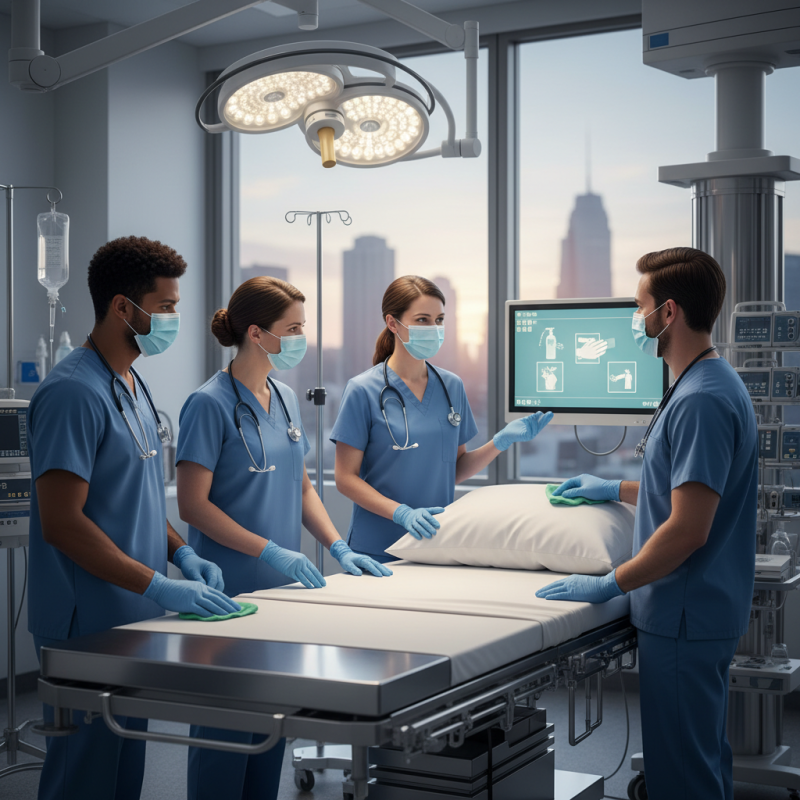
How To Maintain Hygiene Standards In Clinical Environments?

Understanding the Importance of Hygiene Standards in Clinical Settings

Hygiene standards in clinical settings are crucial for patient safety. In hospitals and clinics, bacteria and viruses can thrive in various environments. Poor hygiene practices can lead to infections, extended hospital stays, and increased healthcare costs. Understanding this reality emphasizes the need for strict hygiene protocols.

Regular cleaning and disinfecting are essential. High-touch surfaces, like doorknobs and medical equipment, should be prioritized. It is important to train staff continuously on best practices. Widespread knowledge about hand hygiene and personal protective equipment can reduce risks significantly. Staff must not overlook the tiniest details, as they could make a significant difference.

Admitting that perfection is impossible can help improve practices. Even well-established protocols may fall short over time. Regular audits and feedback loops can identify gaps in hygiene practices. Embracing a culture of transparency promotes improvement. The goal is to create an environment where everyone feels responsible for upholding hygiene standards.

Key Components of Clinical Hygiene Practices

Maintaining hygiene standards in clinical environments is vital for patient safety. One key component is hand hygiene. Proper handwashing techniques should be encouraged among all staff. Regularly scheduled training sessions on this topic can be beneficial. Dispensers with alcohol-based hand sanitizers should be readily available. These simple actions can significantly reduce the risk of infections.

Another essential aspect is the cleanliness of equipment and surfaces. Regular cleaning protocols should be established. High-touch areas like doorknobs and light switches require more frequent disinfection. It may be easy to overlook these spots, but they are often the most contaminated. Creating a detailed checklist can help ensure consistency in cleaning routines.

Personal protective equipment (PPE) is also crucial in clinical hygiene practices. Staff must be trained to use PPE correctly. Understanding when and how to change gloves or masks can prevent cross-contamination. However, compliance can sometimes be an issue. Regular audits and feedback sessions can motivate staff to adhere to these practices. Careful monitoring will improve overall hygiene standards in the environment.

Steps for Implementing Effective Hygiene Protocols

Maintaining hygiene standards in clinical environments is critical. Implementing effective hygiene protocols can significantly reduce infection rates. According to the Centers for Disease Control and Prevention (CDC), proper hand hygiene alone can reduce healthcare-associated infections by up to 50%. Yet, many facilities struggle with compliance.

Training staff is essential. Regular seminars and workshops on hygiene practices ensure all employees are aware of protocols. Some reports indicate that only 40% of healthcare workers comply with hand hygiene guidelines. This gap highlights the need for ongoing education and accountability. Real-time observations can also help identify areas for improvement.

Personal protective equipment (PPE) should be readily available and monitored. A study showed that improper usage of PPE led to increased contamination risks. Proper disposal mechanisms are vital as well. In a recent survey, 30% of staff admitted they were unsure about disposal procedures. Creating clear signage and providing accessible disposal bins can address this confusion. Regular audits and feedback loops can instill a culture of hygiene, ensuring that protocols remain effective.

Hygiene Compliance Levels in Clinical Environments

This chart illustrates the compliance levels of various hygiene protocols implemented in clinical environments. The data reflects an average monthly assessment where the compliance levels are categorized into four key protocols: Hand Hygiene, Surface Disinfection, Equipment Sterilization, and Waste Disposal.

Training Staff in Hygiene Compliance and Best Practices

Training staff in hygiene compliance is crucial in clinical environments. Staff members are the frontline defenders against infections. Regular training ensures they understand protocols and can adhere to them effectively. This involves interactive workshops that involve real-life scenarios. These scenarios allow staff to practice and internalize hygiene standards.

Hands-on training is essential. It gives employees practical experience and builds confidence. Instructors should underscore the importance of compliance through statistics and case studies. Understanding the consequences of non-compliance can motivate staff to follow protocols. It is important to create a culture of accountability within the team. Staff should feel responsible for not only their hygiene but also that of their colleagues and patients.

However, challenges remain. Some staff may resist changes in routine. Others might find training sessions unengaging. Regular assessments can identify gaps in knowledge. Incorporating feedback from staff can foster improvement. Continuous education is key to maintaining high hygiene standards. In clinical environments, this training is not just beneficial; it's essential.

How To Maintain Hygiene Standards In Clinical Environments?

Hygiene Standard Best Practices Training Frequency Compliance Rate (%)
Hand Hygiene Regular hand washing and use of sanitizers Monthly 95%
Surface Cleaning Use of disinfectants on all surfaces Daily 90%
Equipment Sterilization Autoclaving and UV cleaning Weekly 85%
Personal Protective Equipment (PPE) Proper use of gloves, masks, and gowns Review during onboarding and quarterly 93%
Waste Management Proper disposal of biohazardous waste Monthly 88%

Regular Monitoring and Evaluation of Hygiene Standards

Regular monitoring and evaluation of hygiene standards in clinical environments is essential. A recent report indicated that approximately 30% of hospitals experience healthcare-associated infections (HAIs) due to inadequate hygiene practices. This statistic highlights the need for stringent monitoring protocols.

For effective hygiene management, routine assessments are critical. These can include surface cleanliness checks and air quality evaluations. Research has shown that frequent cleaning can reduce infection rates by up to 50%. Implementing a system for regular audits creates accountability. Everyone in the facility must understand their role in maintaining hygiene standards.

Visual inspections, microbiological sampling, and staff training sessions should be continuous. Feedback mechanisms can help identify areas requiring improvement. In this dynamic environment, it's easy to overlook certain hygiene protocols. Continuous evaluation ensures that no corner is left unchecked, preventing lapses in standards. Adopting a culture of hygiene prioritization can significantly enhance patient safety and outcomes.

FAQS

: Why are hygiene standards important in clinical settings?

: Hygiene standards protect patient safety by preventing infections and reducing healthcare costs.

What are high-touch surfaces that require regular cleaning?

High-touch surfaces include doorknobs, medical equipment, and light switches. They can host many germs.

How can staff improve hand hygiene practices?

Staff should follow proper handwashing techniques and have access to alcohol-based hand sanitizers.

What role does personal protective equipment (PPE) play in hygiene?

PPE prevents cross-contamination. Training on its proper use is essential for staff compliance.

How can regular audits help with hygiene practices?

Audits can identify gaps in hygiene practices and encourage a culture of accountability among staff.

What challenges might staff face regarding hygiene training?

Some staff may resist changes or find training sessions unengaging. This can hinder improvement.

How often should hygiene training be conducted for staff?

Regular training sessions should be scheduled to maintain awareness and compliance among staff members.

What should be included in cleaning protocols?

Cleaning protocols should include a checklist for high-touch areas to ensure consistent cleaning routines.

How can feedback foster improvement in hygiene practices?

Incorporating staff feedback helps address gaps in knowledge and makes training more relevant and engaging.

Is it possible to achieve perfect hygiene in clinical settings?

Perfection is impossible. Acknowledging this truth helps create a culture of continuous improvement.

Conclusion

Maintaining hygiene standards in clinical environments is crucial for ensuring patient safety and preventing the spread of infections. Understanding the importance of these standards lays the foundation for effective clinical practices. Key components include proper hand hygiene, disinfection protocols, and sterilization techniques, all of which must be consistently applied.

To implement effective hygiene protocols, healthcare facilities should establish clear procedures and guidelines, as well as provide comprehensive training for staff on compliance and best practices. Regular monitoring and evaluation are also essential to maintain hygiene standards, enabling teams to identify areas for improvement and ensure a safe clinical environment continuously. By focusing on these steps, healthcare providers can significantly enhance their hygiene practices and protect both patients and staff.

Madeline

Madeline

Madeline is a dedicated marketing professional with a wealth of expertise in our company's core offerings. With a keen understanding of the industry, she brings a unique perspective to her role, consistently delivering high-quality content that highlights the superior aspects of our products. As......