SHEFA Medical
In today's fast-evolving healthcare landscape, the materials used in patient care play a crucial role in overall comfort. How to ensure patient comfort with modern healthcare materials is increasingly gaining attention from both professionals and patients alike. Innovative materials can drastically improve the experience in clinical settings, helping to alleviate anxiety and promote healing.
Selecting the right materials isn’t merely about function; it's equally about the patient's sensory experience. Soft fabrics, adaptive blankets, and hypoallergenic composites can create a more pleasant atmosphere. However, the challenge lies in balancing comfort with effectiveness. Some materials may provide warmth but lack durability. Others might be easy to clean yet uncomfortable to wear.
This ongoing exploration of material science in healthcare requires critical reflection. While advancements can enhance patient care, they must also consider the diverse needs of individuals. The conversation continues around how to best utilize technology and design to prioritize patient comfort and satisfaction.
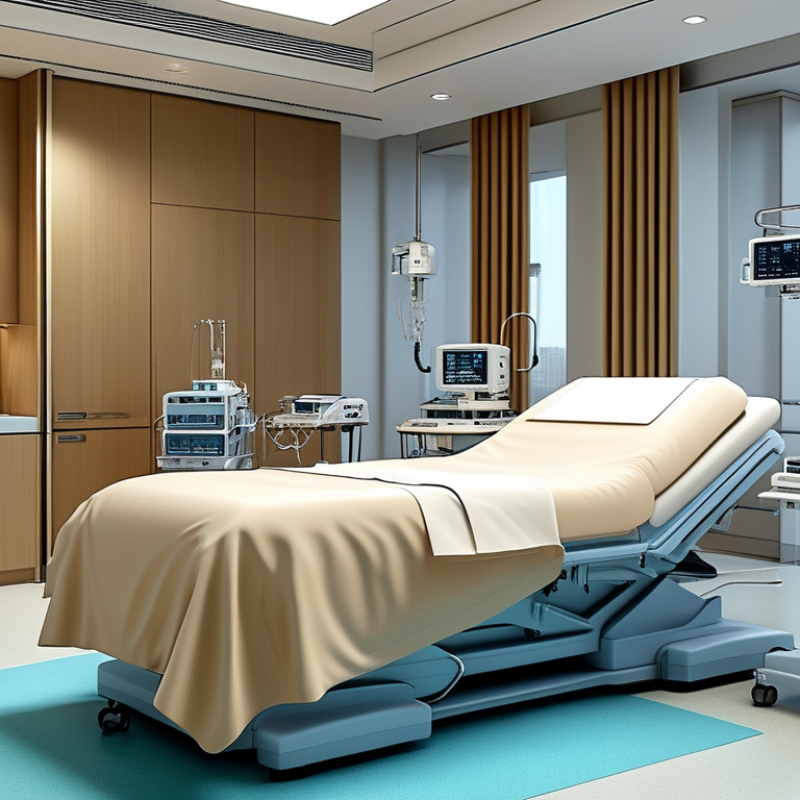
Innovative materials play a critical role in enhancing patient comfort in healthcare settings. These materials are designed with the patient's experience in mind. For instance, soft, breathable fabrics can significantly reduce skin irritation during long hospital stays. Additionally, materials that regulate temperature create a more pleasant environment for patients.
Recent advancements include adaptive bedding and cushioning that respond to body pressure. These innovations aim to provide relief from discomfort. Many patients report feeling less anxious when surrounded by materials that promote relaxation. However, challenges remain in ensuring every patient benefits from these innovations. The variability in individual needs highlights the importance of continued research and development.
Healthcare facilities often face limits in budget and resources. This can hinder the adoption of the latest materials. It's crucial to engage with patients directly to understand their preferences better and invest wisely. As we strive for progress, reflecting on the gaps in material offerings remains essential. Addressing these gaps is key to achieving the goal of maximum comfort in patient care.
In modern healthcare, patient comfort is paramount. Advanced materials revolutionize how patients experience medical environments. Items created with patient-centric designs are more than just functional. They aim to soothe and support individuals during their visits.
Many innovative materials showcase soft textures and calming colors. For example, sound-absorbing panels in waiting areas reduce anxiety. These spaces become more inviting and less clinical. Additionally, adaptive support surfaces on hospital beds enhance comfort for longer stays. They help to alleviate pressure points, increasing overall satisfaction.
Tips: Consider using textiles treated for cleanliness. These can provide a sense of safety. Simple adjustments, like adjustable lighting, can also make a significant difference in ambiance. Remember to engage with patients about their preferences. Their feedback may reveal areas for further improvement. Striving for comfort requires constant reflection and refinement. Understanding individual needs is key to success.
In recent years, healthcare facilities have turned to innovative materials to enhance patient comfort. One notable case study involves a hospital's use of specialized foam in patient beds. This foam conforms to the body, reducing pressure points and improving overall comfort. Patients reported better sleep experiences, leading to quicker recovery times. The material's adaptability plays a crucial role in making the hospital experience less daunting.
Another example can be seen in the implementation of sound-absorbing panels in treatment rooms. These panels not only reduce noise but also create a calming environment. Patients in these rooms expressed feeling less anxious. The psychology of space is essential in healthcare, but it requires continuous assessment. Are these materials effective long-term? Regular feedback from patients helps refine these innovations.
Balancing cost and comfort remains challenging. While the use of high-quality materials is beneficial, not all healthcare settings can afford them. Finding economical alternatives without compromising patient comfort is an ongoing conversation. This is where continuous improvement and innovation are vital. Engaging with patients about their experiences can lead to better solutions. Each implementation provides lessons for future projects, thus enhancing the patient experience over time.
| Material Type | Application | Patient Feedback (1-5) | Comfort Improvement (%) |
|---|---|---|---|
| Memory Foam | Bedding for Inpatient Care | 4.8 | 30% |
| Silicone Gel | Wound Dressings | 4.5 | 25% |
| Hydrophilic Foams | Post-Operative Dressings | 4.7 | 28% |
| Soft Thermoplastic | Custom Orthotics | 4.9 | 35% |
| Biodegradable Polymers | Surgical Sutures | 4.6 | 22% |
The landscape of healthcare materials is rapidly evolving. Innovations aim to enhance patient experience and comfort. Biocompatible materials can reduce discomfort in implants. These materials adapt to body temperature, promoting a sense of normalcy. Smart textiles offer a new level of interaction, sensing vital signs while remaining comfortable against the skin.
Future trends also emphasize transparency and communication. Patients desire to know the materials in their treatments. This shift fosters trust and understanding, crucial for patient satisfaction. However, not all patients might feel comfortable with high-tech solutions. Some may prefer traditional methods over modern innovations. Finding an equilibrium between advanced materials and patient preferences will be essential.
Sustainability is another growing concern. Eco-friendly materials can provide comfort without compromising the environment. However, sourcing such materials can be challenging. Balancing performance, comfort, and environmental impact is a delicate task. As healthcare continues to innovate, reflection on these aspects will drive better solutions. Embracing both technology and patient-centered care will define the future of healthcare materials.
The adoption of cutting-edge materials in healthcare is not without significant challenges. As healthcare professionals strive to enhance patient comfort, they often encounter barriers like cost and integration. Recent industry reports reveal that nearly 70% of healthcare facilities face financial constraints when investing in advanced materials. These materials can improve patient experiences markedly, but budgets often dictate choices.
Training staff to use new materials is another hurdle. According to a 2023 survey, over 50% of healthcare workers feel underprepared to implement these innovative solutions. This gap raises concerns about the effectiveness of new technologies. Patients might not feel the full benefits due to improper use or lack of knowledge among staff. Ensuring comprehensive training programs can help bridge this gap.
Moreover, regulatory challenges can impede the swift adoption of new materials. Compliance with safety standards is crucial but can delay implementation. Around 45% of healthcare executives cited regulatory red tape as a significant barrier to integrating innovative materials. While the drive for improved patient comfort is strong, it must be balanced with practical considerations. Addressing these challenges requires collaboration and ongoing dialogue among stakeholders in the healthcare sector.
: Innovative materials significantly enhance patient comfort in healthcare settings by reducing skin irritation and improving overall well-being.
Soft, breathable fabrics lower skin irritation during long hospital stays, making patients feel more comfortable.
Temperature-regulating materials create a more pleasant environment, helping patients feel more relaxed during their stay.
Specialized foam in patient beds conforms to the body, reduces pressure, and improves sleep quality for quicker recovery.
Sound-absorbing panels create calmer environments and help reduce anxiety in patients during treatment.
Budget and resource limitations often hinder the adoption of the latest comfort-enhancing materials in healthcare settings.
Regular patient feedback helps assess the effectiveness of materials and informs future enhancements for better comfort.
While high-quality materials are beneficial, finding economical alternatives that maintain comfort is crucial for many facilities.
Ongoing research is vital for addressing gaps in material offerings and ensuring all patients benefit from advancements.
Engaging directly with patients about their experiences can lead to better solutions and enhance future implementations.
The article "Maximizing Patient Comfort with Cutting Edge Healthcare Materials" explores the vital role that innovative materials play in enhancing patient comfort within healthcare settings. It discusses various types of healthcare materials that incorporate patient-centric design features, ensuring that patients feel more at ease during their treatments and recovery. Through case studies, the article highlights successful implementations of comfort-enhancing materials, demonstrating practical applications that improve the overall patient experience.
Additionally, the piece delves into future trends in healthcare materials, hinting at exciting advancements that could further enhance patient comfort. However, it also addresses the challenges associated with adopting these cutting-edge materials in healthcare environments. Ultimately, understanding "How To Ensure Patient Comfort With Modern Healthcare Materials" is essential for healthcare providers aiming to improve patient satisfaction and outcomes in a rapidly evolving industry.
