SHEFA Medical SHEFA Medical

Why Optimize Inventory Management for Medical Supplies?

Time:2026-06-16 Author:Mason
0%

Effective inventory management for medical supplies is critical in today’s healthcare landscape. Hospitals and clinics face immense pressure to maintain adequate stock levels while minimizing waste. Understanding "How To Optimize Inventory Management For Medical Supplies" can lead to enhanced patient care and operational efficiency.

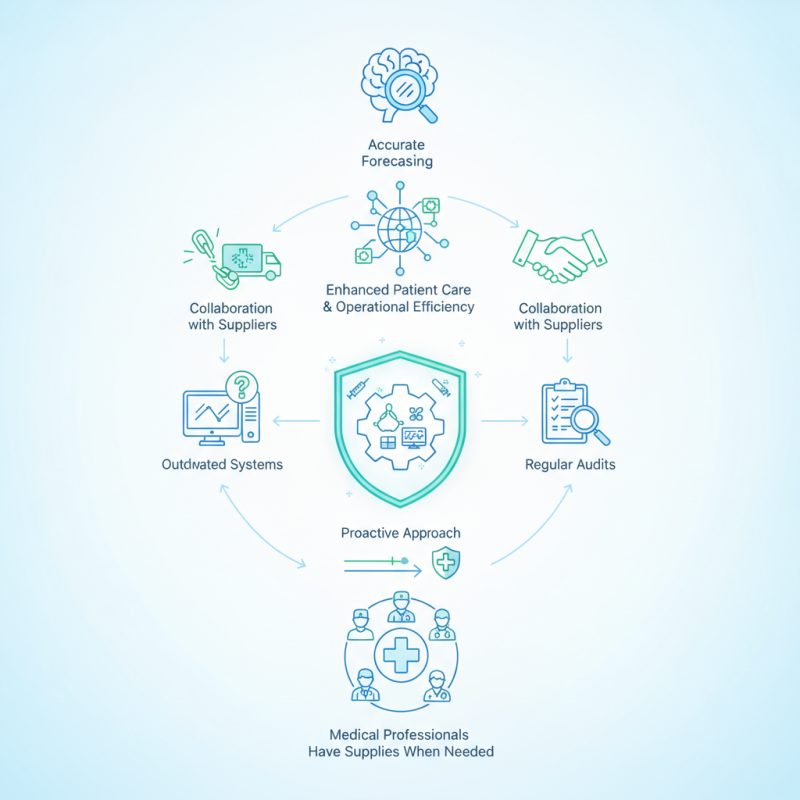
Accurate forecasting, real-time tracking, and collaboration with suppliers are essential components. Software solutions can streamline these processes, yet many facilities still struggle with outdated systems. Acknowledging these challenges is the first step towards improvement.

Healthcare providers must continuously evaluate their strategies. Regular audits can uncover discrepancies between actual stock and inventory records. Implementing best practices can prevent shortages and overstock situations. Ultimately, a proactive approach is necessary to ensure that medical professionals have the supplies they need, when they need them.
Why Optimize Inventory Management for Medical Supplies?

Importance of Efficient Inventory Management in Healthcare

Efficient inventory management is critical in healthcare. Research shows that hospitals can lose up to $5 million annually due to poor supply chain practices. In a fast-paced medical environment, having the right supplies on hand can be a matter of life and death. A study by the Healthcare Supply Chain Association highlights that 30% of clinical staff spend considerable time searching for supplies rather than focusing on patient care. This inefficiency can lead to delays and increased costs.

The COVID-19 pandemic underscored the need for optimal inventory strategies. Many organizations faced shortages of essential supplies. According to a report by McKinsey, healthcare systems that implemented better inventory management processes reported a 20% reduction in waste. Such improvements are crucial, especially when demand spikes unpredictably. However, some institutions still rely on outdated systems, risking inventory mismanagement.

Incorporating technology can drive significant improvements. Data analytics helps predict demand, reducing excess stock and shortages. Yet, not every facility has embraced these technological changes. A healthcare inventory management system is only as effective as the staff using it. Continuous training and adaptation are necessary. Without these efforts, even the best systems may not realize their full potential.

Inventory Management Efficiency in Healthcare: A Bar Chart Analysis

Impact of Optimized Inventory on Patient Care Quality

Optimized inventory management plays a critical role in enhancing the quality of patient care. When medical supplies are well-stocked and organized, healthcare providers can respond promptly to patient needs. This readiness significantly reduces wait times for essential treatments and procedures. Imagine a scenario where a hospital runs out of vital supplies during a surgery. Such an event can lead to complications and increased risk, affecting patient outcomes.

Moreover, efficient inventory systems help track the expiration dates of supplies. This monitoring prevents the use of outdated materials, which could jeopardize patient safety. Healthcare professionals rely on consistently available, safe products to provide the best care. However, maintaining an optimal inventory can be challenging. Many facilities struggle with excess stock or shortages, which complicates patient care and increases operational costs.

Reflecting on current practices, many institutions may overlook the importance of regular inventory audits. These audits can reveal loopholes in the supply chain. Identifying inefficiencies can bridge the gap between patient needs and available resources. Inadequate management may lead to a breakdown in trust between patients and healthcare providers. Focusing on inventory optimization is not just about efficiency; it’s about ensuring every patient receives the quality of care they deserve.

Why Optimize Inventory Management for Medical Supplies? - Impact of Optimized Inventory on Patient Care Quality

Metric Before Optimization After Optimization Impact on Patient Care Quality
Inventory Turnover Rate 4 times/year 10 times/year Enhanced availability of critical supplies
Stockout Rate 12% 3% Reduced treatment delays
Excess Inventory (% of total inventory) 25% 10% Lower holding costs and waste
Patient Satisfaction Score 75/100 90/100 Improved overall patient experience
Emergency Supply Availability 60% 95% Faster response in emergencies

Cost Reduction Through Effective Medical Supply Management

Effective management of medical supplies can significantly reduce costs. Many healthcare facilities struggle with overstocking or shortages. This leads to waste and inefficiencies. A strategic approach can streamline the supply chain and ensure that essential items are available when needed.

Proper inventory management also aids in forecasting demand accurately. Awareness of usage patterns helps in maintaining optimal stock levels. For instance, tracking seasonal trends can minimize excess inventory. However, many organizations falter in this area, often relying on outdated methods.

Mistakes in forecasting can result in financial loss. To tackle this, healthcare providers should embrace technology. Automated systems can provide real-time data and analytics. Yet, not all facilities invest in these tools. Rethinking current practices and being open to change can lead to improved outcomes.

Strategies for Enhancing Medical Supplies Inventory Processes

Effective inventory management is crucial in the medical supply sector. Many facilities face challenges in tracking, storing, and distributing supplies. A well-optimized inventory system can bridge these gaps. It enhances efficiency and reduces waste.

Implementing a robust inventory tracking system is vital. Utilizing barcoding or RFID technology can streamline the process. Regular audits ensure that supplies are available when needed, minimizing stockouts. Staff training is essential. Employees should understand inventory protocols and be engaged in the process.

Developing strong supplier relationships is another key strategy. Reliable partnerships can lead to better pricing and faster delivery times. However, it's important to periodically evaluate these partnerships. Supply chain disruptions can occur unexpectedly, revealing vulnerabilities. Organizations should always seek improvement opportunities, even in established systems.

Challenges in Inventory Management for Healthcare Providers

Inventory management in healthcare presents unique challenges. Healthcare providers face a constant battle against supply shortages and excess inventory. According to recent studies, nearly 30% of medical supplies go unused in hospitals, leading to substantial waste. This waste not only strains resources but also affects patient care during critical times.

Additionally, unpredictable demand complicates inventory management. The COVID-19 pandemic highlighted how quickly supply chains can break down. In fact, a report indicated that 85% of healthcare providers experienced significant disruptions. Accurate forecasting is essential, yet many facilities still rely on manual tracking methods. This can result in over-ordering or stockouts, impacting both patient outcomes and financial performance.

Moreover, regulatory requirements add another layer of complexity. Compliance with healthcare regulations can make inventory processes cumbersome. Each item has to be tracked meticulously, and failures in this area can lead to serious consequences. Healthcare organizations must reflect on their current practices. Considering newer technologies, such as automation and data analytics, may yield improvements but demands careful planning and execution.

FAQS

: Why is optimized inventory important for patient care?

: It ensures medical supplies are readily available, reducing wait times for treatments.

How does inventory management affect patient safety?

Proper inventory tracking prevents the use of expired supplies, which could put patients at risk.

What challenges do facilities face in inventory management?

Facilities often deal with excess stock or shortages, complicating patient care efforts.

How can regular audits improve inventory management?

Audits reveal inefficiencies in the supply chain, aligning resources with patient demand.

What technology can enhance inventory tracking?

Barcoding and RFID technology can streamline inventory processes effectively.

Why is staff training crucial in inventory management?

Well-trained employees ensure protocol adherence, improving overall supply management.

What role do supplier relationships play in inventory management?

Strong partnerships can enhance pricing and delivery speed, impacting care quality.

What is a common oversight in managing inventory?

Many institutions neglect regular audits, overlooking potential gaps in supply management.

How can organizations seek improvement in inventory practices?

They should constantly evaluate processes and look for opportunities to enhance existing systems.

What can happen if inventory is not managed properly?

Poor management may erode trust between patients and healthcare providers, impacting care quality.

Conclusion

Optimizing inventory management for medical supplies is crucial for enhancing healthcare delivery. Efficient inventory management not only ensures that essential medical supplies are readily available when needed, but it also significantly impacts patient care quality. By maintaining optimal inventory levels, healthcare providers can reduce the risk of stockouts and minimize wastage, leading to improved patient outcomes.

Furthermore, effective medical supply management contributes to cost reduction, allowing healthcare organizations to allocate resources more efficiently. Implementing strategies such as automated inventory tracking, demand forecasting, and regular training for staff can enhance inventory processes. However, challenges such as fluctuating demand, supply chain disruptions, and limited storage space can hinder these efforts. Understanding how to optimize inventory management for medical supplies is therefore essential for healthcare providers aiming to overcome these obstacles and improve overall operational efficiency.

Mason

Mason

Mason is a seasoned marketing professional with a deep expertise in the company's offerings and a passion for driving brand awareness. With a strong background in digital marketing strategies, he has an innate ability to connect with diverse audiences and effectively communicate product benefits.......