SHEFA Medical SHEFA Medical

Reduce Hospital Acquired Infections with Effective Supplies?

Time:2026-05-19 Author:Isabella
0%

In the quest to improve patient safety, reducing hospital-acquired infections (HAIs) is a pressing concern. Hospitals face numerous challenges, but having the right supplies is crucial. Understanding "How To Reduce Hospital-Acquired Infections With Proper Supplies" is essential for healthcare professionals. The right tools and materials can significantly lower infection rates.

Effective supplies range from sterilized instruments to advanced antimicrobial materials. Each item plays a specific role in preventing bacteria transmission. Staff training on the correct use of these supplies is equally important. However, even the best supplies won't eliminate infections completely. Hospitals must also implement rigorous hygiene protocols and regular audits.

While many facilities invest in high-quality supplies, gaps often remain. Some staff may lack awareness of the latest infection control measures. Routine evaluations and feedback can help identify these shortcomings. By addressing both supplies and staff education, hospitals can work towards creating a safer environment for patients. This ongoing effort is essential for reducing HAIs and improving overall healthcare quality.
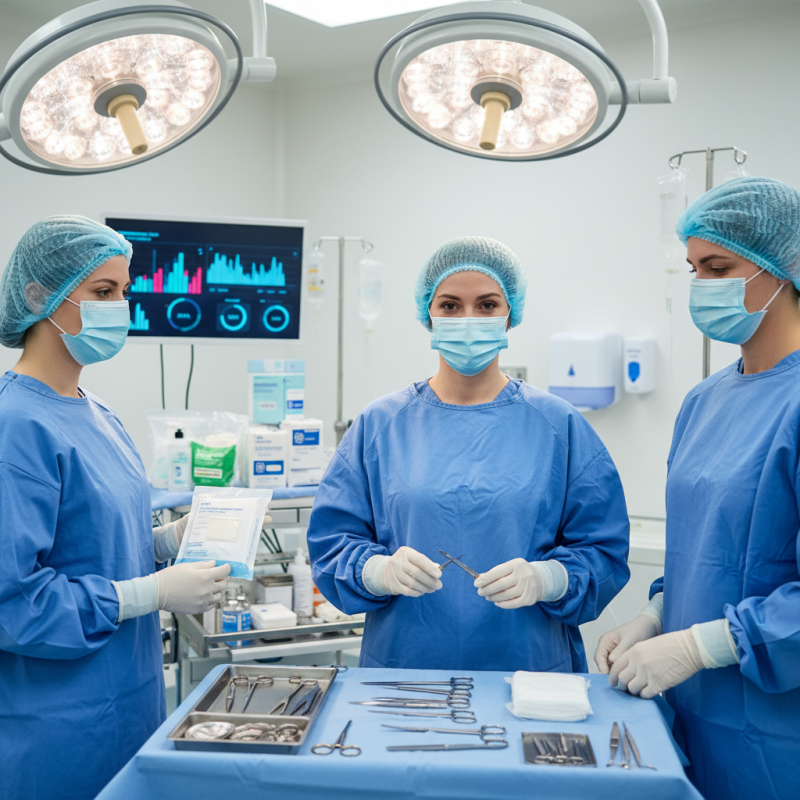
Reduce Hospital Acquired Infections with Effective Supplies?

Understanding Hospital Acquired Infections and Their Impact on Patient Health

Hospital-acquired infections (HAIs) pose significant risks to patient health. These infections occur during a hospital stay and can lead to severe consequences, including prolonged recovery and increased mortality rates. According to health experts, millions of patients experience HAIs each year. The impact goes beyond just physical health; it also affects mental well-being and overall quality of life.

Preventing HAIs requires a comprehensive understanding of their causes. Common sources include unclean environments, contaminated medical instruments, and improper hygiene practices among healthcare workers. Simple measures like handwashing can drastically lower infection rates. However, adherence to such practices is inconsistent. Hospitals often struggle to maintain rigorous hygiene standards, highlighting an area that needs improvement.

While effective supplies are crucial, relying solely on them isn't enough. Training staff and reinforcing protocols is essential. Regular audits and feedback loops can help identify weaknesses in infection control practices. This proactive approach empowers healthcare providers to make necessary adjustments. A culture of safety must be fostered, where every team member feels accountable. There is always room for enhancement in infection control, and ongoing reflection is essential for progress.

Key Factors Contributing to Hospital Acquired Infections

Hospital-acquired infections (HAIs) remain a significant issue in healthcare. These infections can arise from various factors within the hospital environment. One crucial aspect is the cleanliness of medical supplies. Contaminated instruments can introduce harmful pathogens into patients' bodies. Regular sterilization procedures are essential but may not always be followed. This lapse can lead to increased rates of infections.


Another contributing factor is staff training. Healthcare professionals must be well-versed in infection control protocols. Inadequate training can result in poor hygiene practices. Hand washing, proper use of personal protective equipment, and safe disposal of contaminated materials are vital. Regular refresher courses can help, yet many facilities overlook this necessity.


The physical layout of hospitals also plays a role. Poorly designed spaces may hinder effective cleaning and infection prevention efforts. High-traffic areas can become hotspots for pathogens. While many hospitals strive for environments that promote safety, some still lack adequate planning. This gap offers room for improvement and reflection on best practices in infection control.

Effective Supplies and Their Role in Infection Prevention

Infection prevention is crucial in healthcare settings. Effective supplies play a vital role in reducing hospital-acquired infections (HAIs). Studies show that proper use of personal protective equipment (PPE) can decrease infection rates by up to 30%. The World Health Organization emphasizes that high-quality disinfectants are essential. Substandard disinfectants may fail to eliminate harmful pathogens.

Healthcare professionals must stay informed about the latest guidelines and standards. Understanding the correct procedures for using supplies is necessary. For example, improper hand hygiene practices contribute to 40% of HAIs. Regular training and updated protocols can significantly enhance compliance. Ensuring that staff members are equipped with the right supplies can lead to improved patient outcomes.

However, challenges remain. Many hospitals still face issues with supply shortages and budget constraints. These obstacles can hinder effective infection control efforts. Assessing the cost-effectiveness of supplies is vital. Investing in proven, effective supplies may yield substantial long-term savings by reducing infection rates. Awareness and continuous improvement in supply management are needed to achieve better infection prevention.

Impact of Effective Supplies on Hospital Acquired Infections (HAIs)

Best Practices for the Use of Medical Supplies in Healthcare Settings

In the fight against hospital-acquired infections (HAIs), the effective use of medical supplies plays a crucial role. Medical professionals must prioritize maintaining high standards in the selection and application of these supplies. Regular training and updates on best practices can enhance compliance with infection control protocols. This also fosters a culture of safety within healthcare settings.

Tips: Always inspect medical supplies for integrity before use. Damaged items can compromise patient safety. Ensure that expiration dates are monitored closely. Outdated supplies may not provide the intended protection, leading to increased infection risks.

Another vital aspect is the proper disposal of medical waste. Mismanagement can lead to environmental hazards and potential infections. Staff should be educated on waste segregation to minimize risks. Utilizing color-coded bins for different types of waste can simplify this process and ensure compliance.

Tips: Conduct routine audits of waste disposal practices to identify areas for improvement. Open discussions about mistakes can lead to better strategies and prevent future issues. Cultivating an atmosphere of transparency will contribute to reducing HAIs in healthcare environments.

Evaluating the Effectiveness of Infection Control Strategies in Hospitals

Hospital-acquired infections (HAIs) remain a significant concern for healthcare facilities. In the United States alone, the Centers for Disease Control and Prevention (CDC) reports that roughly 1 in 31 hospital patients has at least one HAI on any given day. This startling statistic emphasizes the urgent need for effective infection control strategies. Implementing protocols can drastically lower infection rates, yet challenges persist in consistent application.

Effective strategies include rigorous hand hygiene and the use of antiseptic supplies. A study published in the Journal of Hospital Infection shows that proper hand hygiene can reduce the transmission of pathogens by up to 50%. Additionally, employing sterile supplies during procedures cuts the risk of infections significantly. However, training staff and ensuring compliance is difficult. Many healthcare workers admit to skipping handwashing out of time constraints or forgetfulness.

Despite advances in guidelines and supplies, the issue is not fully resolved. Reports indicate that many hospitals still struggle with adherence to infection control measures. According to a 2022 survey by the Healthcare Infection Control Practices Advisory Committee, only 62% of hospitals maintain consistent compliance with infection prevention protocols. These gaps highlight the need for ongoing training and evaluation programs to foster a culture of safety. Addressing these challenges is crucial for improving patient outcomes and minimizing HAIs.

FAQS

: What are hospital-acquired infections (H

Is)?

How can hand hygiene impact HAIs?

Proper handwashing can drastically lower infection rates. Yet, adherence to hygiene practices is inconsistent among healthcare workers.

What are common sources of HAIs?

Unclean environments and contaminated medical instruments contribute to HAIs. Improper hygiene practices among staff are a significant factor.

Why is training important for infection control?

Regular training reinforces protocols and enhances compliance. It helps healthcare staff understand the correct use of infection control supplies.

What role do medical supplies play in infection prevention?

Effective medical supplies, like personal protective equipment, are vital. Proper use can decrease infection rates significantly.

How can outdated medical supplies affect patient safety?

Using expired supplies can compromise protection and increase infection risks. It's essential to monitor expiration dates regularly.

What is the importance of medical waste disposal?

Proper disposal prevents environmental hazards and potential infections. Staff should be educated on waste segregation for safety.

How can hospitals improve infection control practices?

Conducting routine audits and fostering transparency can identify weaknesses. Openness about mistakes helps develop better strategies.

What challenges do hospitals face in infection prevention?

Budget constraints and supply shortages can hinder effective infection control efforts. Assessing costs is essential for sustainability.

How can a culture of safety be fostered in healthcare settings?

Every team member should feel accountable for infection control practices. Regular discussions and feedback can enhance safety standards.

Conclusion

Hospital-acquired infections (HAIs) remain a significant challenge in healthcare settings, adversely affecting patient health and increasing healthcare costs. Understanding the key factors that contribute to these infections, such as improper sterilization and inadequate supply management, is crucial. Effective supplies play a pivotal role in infection prevention; thus, how to reduce hospital-acquired infections with proper supplies becomes essential for healthcare providers.

Implementing best practices in the use of medical supplies—like ensuring appropriate usage, regular staff training, and maintaining sterile environments—can greatly diminish the incidence of HAIs. Additionally, hospitals must regularly evaluate the effectiveness of their infection control strategies to identify areas for improvement. By prioritizing the proper use of supplies and adopting robust infection control measures, healthcare institutions can protect patient health and enhance overall care quality.

Isabella

Isabella

Isabella is a dedicated marketing professional with a sharp focus on driving brand growth and engagement through strategic content creation. With an extensive background in digital marketing, she combines her passion for storytelling with her keen understanding of industry trends to deliver......