 SHEFA Medical
SHEFA Medical
SHEFA Medical
Storing medical supplies safely in healthcare facilities is crucial for patient care. Dr. Sarah Mitchell, a renowned expert in healthcare logistics, emphasizes, "Proper storage is not just about organization; it’s about safety." Ensuring that items are easily accessible is vital. However, many facilities overlook this aspect, leading to inefficiencies.
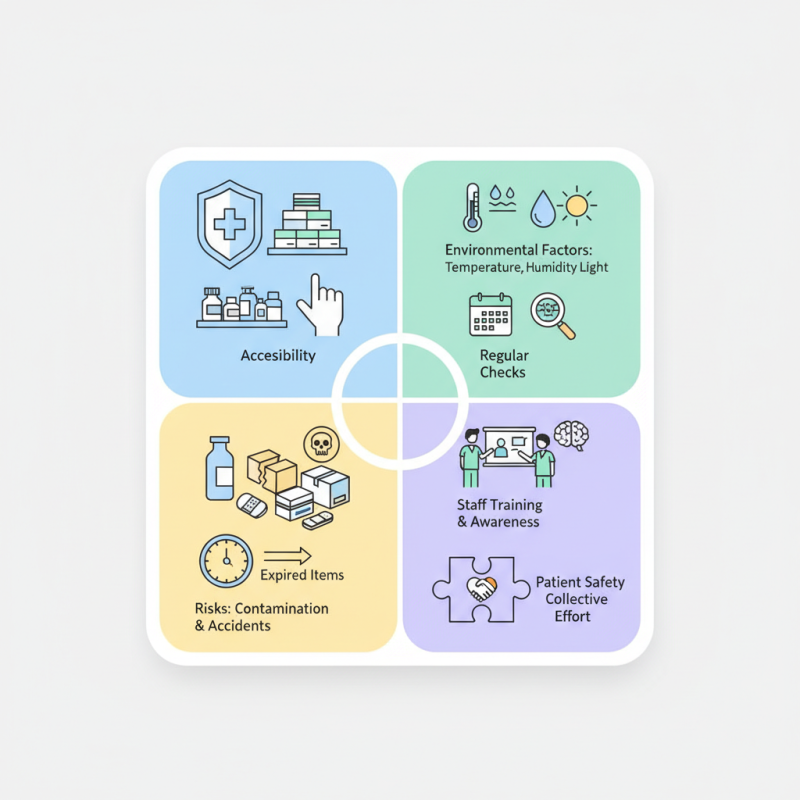
Inappropriate storage can cause contamination or accidents. For example, using expired items or having cluttered areas can pose significant risks. Staff must know where everything is located and how to access medical supplies. When storage is neglected, it can compromise patient safety and care quality.
Understanding how to store medical supplies safely in healthcare facilities involves awareness of environmental factors. Temperature, humidity, and light can affect supply integrity. Regular checks are necessary to prevent any safety issues. Continuous training for staff on proper storage protocols is essential. Through collective effort, we can ensure a safer healthcare environment for everyone.
Effective storage of medical supplies in healthcare facilities is critical. According to the World Health Organization, nearly 20% of medicines and supplies are wasted due to improper storage. Assessing the requirements for storage involves several key factors. Facilities must consider environmental controls, including temperature and humidity levels. These factors can affect the efficacy of supplies.
Defined storage areas for different categories of supplies are essential. For example, sterile items should be kept in dedicated, clean zones. Additionally, accessibility is crucial. Staff must easily retrieve supplies without risk of contamination. Frequent audits can help maintain proper inventory levels and reduce waste.
Training staff on storage protocols is often overlooked. Regular training sessions can enhance compliance and awareness. Many facilities rely on outdated procedures. This can lead to inefficiencies. Addressing these issues can improve patient outcomes significantly. Human factors also play a role; distractions may lead to errors in supply handling. A more structured approach can mitigate these risks.
| Storage Type | Temperature Control | Shelf Life | Security Measures | Accessibility |
|---|---|---|---|---|
| General Supplies | Room Temperature | 2 Years | Locked Cabinets | Easy Access |
| Temperature-Sensitive | 2-8°C | 1 Year | Keycard Access | Limited Access |
| Sterile Supplies | Room Temperature | Expiry Date | Monitoring System | Controlled Entry |
| Hazardous Materials | Controlled Environment | As Required | Safety Locks | Restricted Access |
: Safe storage practices prevent contamination and damage, ensuring patient safety. They minimize the risk of infections related to medical supplies.
Implement guidelines for temperature and humidity. Maintain a consistent environment to avoid supply expiration and contamination.
Create designated zones for different supplies. For instance, separate sterile items from non-sterile ones for better organization.
Efficient inventory management prevents shortages and expirations. An organized system ensures quick retrieval during emergencies.
Barcode scanning simplifies tracking and reduces human errors in inventory management.
Group supplies by type or usage frequency. This method saves time but requires regular reassessment based on changing needs.
Training ensures staff understands safety standards, prevents costly errors, and maintains the integrity of medical supplies.
Visual aids like pictures or charts illustrate correct storage methods. They enhance understanding of protocols among staff members.
Staff feedback reveals knowledge gaps and areas needing improvement. It encourages a culture of safety and accountability.
Regular updates are needed to reflect industry changes. This keeps staff informed and practices current.
Effective storage of medical supplies in healthcare facilities is crucial for ensuring patient safety and operational efficiency. In the article titled "How To Store Medical Supplies Safely In Healthcare Facilities," several key strategies are outlined. First, assessing the specific requirements for medical supply storage is essential to tailor solutions that accommodate various items, including sensitive and hazardous materials. Next, choosing suitable storage solutions and implementing safe storage practices minimizes risks of contamination and damage.
Additionally, establishing a robust inventory management system enhances supply tracking, ensuring that essential items are readily available while preventing overstock and waste. Lastly, training staff on proper storage protocols and safety standards is vital to maintain compliance and protect both workers and patients. By following these guidelines, healthcare facilities can effectively manage their medical supplies and contribute to improved healthcare outcomes.
