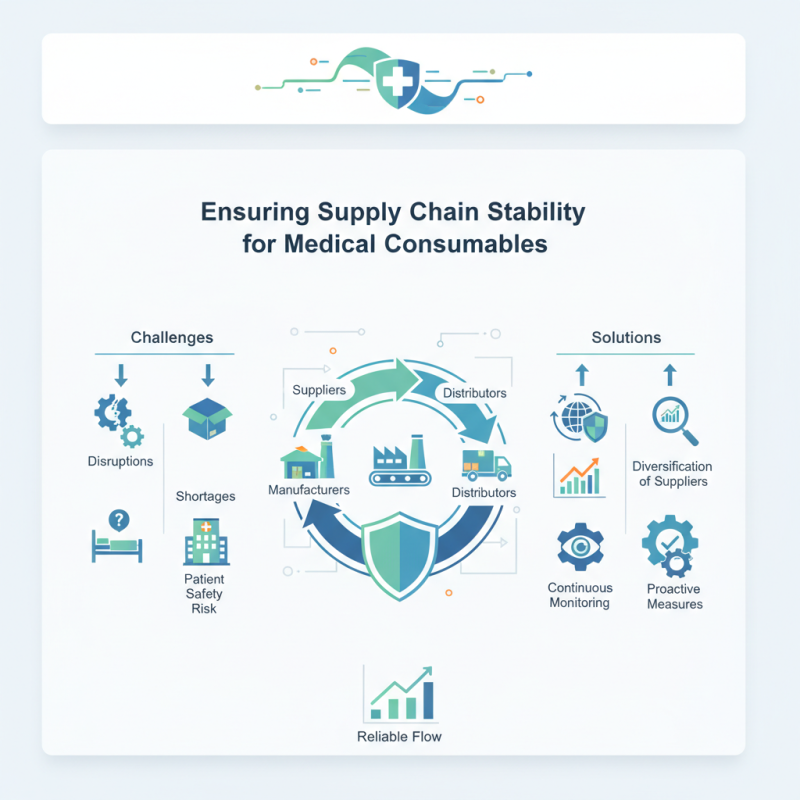
In the dynamic landscape of healthcare, "How To Ensure Supply Chain Stability For Medical Consumables" is crucial. Medical consumables are essential for patient care, and their availability can significantly impact treatment outcomes. Disruptions in the supply chain can lead to shortages, inefficiencies, and even jeopardize patient safety.
A stable supply chain is more than just a logistics issue; it requires strategic planning and active risk management. Companies must navigate complex networks of suppliers, manufacturers, and distributors. Each link in the chain can present challenges. An unexpected delay, a vendor failure, or compliance issues can ripple through the entire system, affecting everyone involved in patient care.
To enhance supply chain stability, organizations should implement proactive measures. This includes diversification of suppliers and regular risk assessments. Continuous monitoring of market trends is vital. Attention to detail often uncovers potential vulnerabilities. These steps may seem daunting; however, they are essential for sustaining a reliable flow of necessary medical consumables.
Understanding the Importance of Supply Chain Stability in Healthcare
Supply chain stability is critical in healthcare, particularly for medical consumables. A report from the Healthcare Distribution Alliance states that disruptions can significantly impact patient care. Approximately 90% of healthcare professionals believe supply chain reliability is essential to maintain service quality. Inconsistent supply of medical products poses risks, including treatment delays and increased costs.
Understanding this importance requires looking at data. The World Health Organization reported that global medical supply chains experienced a 30% disruption during the COVID-19 pandemic. Hospitals faced shortages, leading to compromised care for patients. The urgency for stable supply chains became more evident as procurement challenges emerged across various regions.
Innovative solutions are necessary to enhance stability. Investment in technology, such as real-time tracking systems, can help address vulnerabilities. Organizations must collaborate closely with suppliers. Doing so can create more resilient networks. Reflecting on past disruptions highlights the need for continuous improvement.
Balancing cost, quality, and reliability is crucial in creating a responsive medical supply chain.
Analyzing Current Trends in Medical Consumables Demand and Supply
The demand for medical consumables has surged in recent years, influenced by various factors. A report from the International Medical Device Regulators Forum indicates that the global market for medical consumables is expected to reach $500 billion by 2027. This rising demand creates pressure on supply chains. Disruptions can lead to inadequate supplies, affecting patient care.
Current trends highlight the growing importance of local sourcing. Many healthcare institutions seek to reduce reliance on distant suppliers. A recent survey from the Healthcare Supply Chain Association revealed that 68% of respondents plan to invest in local supply sources. However, this shift is not without challenges. Not all regions have the manufacturing capabilities or technology needed to produce high-quality medical supplies.
Fluctuations in raw material availability also pose significant risks. For instance, the COVID-19 pandemic exposed vulnerabilities in global logistics. Many manufacturers could not obtain essential materials swiftly. Analysts predict that supply chain disruptions will remain a concern in the coming years. Companies must adapt by diversifying their supplier networks and investing in robust inventory management systems. This adaptability can enhance overall supply chain stability.
Implementing Risk Management Strategies for Supply Chain Resilience
Supply chain resilience is crucial for the medical consumables sector. According to a report by Deloitte, over 70% of supply chain disruptions are linked to risk management flaws. Identifying potential risks can prevent severe shortages. Companies must assess suppliers regularly. Regular evaluations can reveal weaknesses. This proactive approach helps maintain a steady supply. Engaging in risk assessments can mitigate impacts.
Implementing technology-driven solutions enhances transparency. Digital tools provide real-time data on inventory levels. A McKinsey report shows that firms using advanced analytics see a 10-20% improvement in supply chain efficiency. While technology reduces risk, it also requires investment. Not all businesses can afford cutting-edge systems. Consequently, companies must strike a balance between technology and cost.
It's crucial to foster strong relationships with suppliers. Trust enables better communication when issues arise. Many companies face challenges in cooperation during crises. Open dialogue can lead to quicker resolutions. Building partnerships takes time but pays off in stability. Some organizations still struggle with this aspect, highlighting a need for improvement. A resilient supply chain requires ongoing effort and adaptation.
10 Tips to Ensure Supply Chain Stability for Medical Consumables - Implementing Risk Management Strategies for Supply Chain Resilience
| Tip No. |
Risk Management Strategy |
Implementation Priority |
Expected Impact |
| 1 |
Conduct a Comprehensive Risk Assessment |
High |
Identify critical vulnerabilities |
| 2 |
Diversify Suppliers |
Medium |
Reduce dependency on single source |
| 3 |
Establish Safety Stock Levels |
High |
Maintain inventory to meet demand |
| 4 |
Utilize Technology for Tracking |
Medium |
Enhance visibility across the supply chain |
| 5 |
Implement Contingency Plans |
High |
Quick response to disruptions |
| 6 |
Regular Training for Staff |
Medium |
Ensure preparedness and awareness of risks |
| 7 |
Monitor Regulatory Changes |
Medium |
Compliance and risk mitigation |
| 8 |
Collaborate with Partners |
High |
Strengthen supply chain relationships |
| 9 |
Leverage Data Analytics |
Medium |
Predict trends and assess risks |
| 10 |
Establish Clear Communication Channels |
High |
Enhance responsiveness and coordination |
Leveraging Data Analytics to Forecast Supply Chain Trends Effectively
In today's dynamic healthcare landscape, data analytics plays a crucial role in maintaining stability in the supply chain for medical consumables. By analyzing historical trends and real-time data, organizations can accurately forecast demand. Effective analytics software can identify patterns that may not be apparent at first glance. For instance, a sudden increase in specific medical supply needs can be tracked and addressed promptly.
Implementing these strategies requires a workforce that understands data interpretation. Training staff in data literacy is essential. However, many teams may struggle with complex datasets, leading to gaps in understanding. Regular workshops can help, yet not all employees will excel equally. Building a culture of continuous learning is vital.
On the other hand, relying solely on data can present challenges. Data quality might suffer from inaccuracies. Flawed data can lead to poor decisions. It’s important to continuously refine processes for gathering and analyzing data. Organizations must be cautious and reflect on their strategies to ensure they do not overlook essential human factors in decision-making.
Building Strong Relationships with Suppliers for Consistent Product Availability
Strong relationships with suppliers are essential to ensure the stability of the supply chain for medical consumables. A report from ResearchAndMarkets indicates that over 85% of healthcare organizations faced supply chain disruptions due to a lack of reliable partnerships. By prioritizing communication and collaboration, organizations can maintain consistent product availability.
Establishing trust is critical. Suppliers should feel valued and understood. Holding regular meetings helps identify potential issues early. This open dialogue can prevent shortages, which are costly and damaging. It's essential to revisit contracts periodically, ensuring they still meet both parties' needs.
Consistency is not just about reliability; it's about adaptability as well. Market fluctuations require flexibility in agreements. Data from the Global Supply Chain Institute shows that organizations with adaptable supplier contracts reported 30% fewer shortages. Building a diverse supplier base also mitigates risks during crises. Ensuring backup options can mean the difference between stocked shelves and empty ones.
Conclusion
Ensuring supply chain stability for medical consumables is crucial for maintaining efficient healthcare delivery. The article emphasizes the importance of understanding the dynamics surrounding supply chain stability, especially in light of current demand and supply trends for medical products. To build resilience, implementing robust risk management strategies is essential, as it helps to mitigate potential disruptions that could affect availability.
Moreover, leveraging data analytics plays a vital role in forecasting supply chain trends, allowing organizations to anticipate challenges and adjust accordingly. Building strong relationships with suppliers is also a key factor in ensuring consistent product availability, creating a more reliable supply chain. By following these strategies, healthcare providers can effectively manage their supply chains and ensure a steady flow of medical consumables.
 SHEFA Medical
