SHEFA Medical
In today's healthcare landscape, maintaining high hygiene standards is critical. What are the best practices for healthcare facility hygiene? According to a report by the World Health Organization, around 80% of healthcare-associated infections are preventable through proper hygiene. This emphasizes the importance of stringent protocols in hospitals and clinics.
Implementing effective cleaning practices is essential. Regular disinfection, particularly of high-touch surfaces, reduces infection risk. Moreover, staff training on hygiene protocols ensures that everyone understands their role. However, many facilities struggle with compliance, leaving gaps that could lead to outbreaks. This reflects a broader challenge in the industry where awareness does not always translate into practice.
Emerging technologies, like AI-enabled sanitation solutions, offer a promising future. They can enhance efficiency in monitoring hygiene levels. Yet, not all healthcare facilities have access to these innovations. As the industry moves forward, it's crucial to evaluate existing practices continually and embrace new methods. The goal remains clear: to improve patient safety and health outcomes globally.
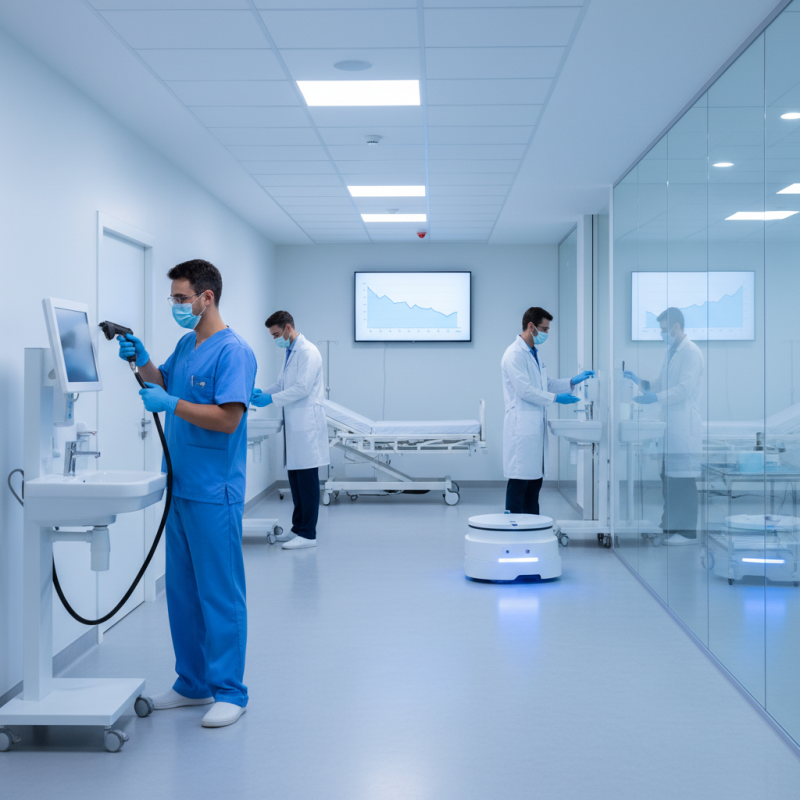
Infection control in healthcare facilities is vital. According to the WHO, healthcare-associated infections affect 1 in 10 patients globally. This statistic underscores the urgent need for effective hygiene measures. Staff training can significantly reduce infection rates. A study revealed that proper hand hygiene practices decreased infections by 30%.
The environment also plays a crucial role. Regular cleaning of surfaces can lower contamination risk. High-touch areas require attention. A report by the CDC noted that nearly 80% of infections spread via contaminated surfaces. Despite guidelines, many facilities struggle with consistent cleaning protocols. They often overlook the importance of routine assessments.
Personal protective equipment (PPE) is another key measure. However, compliance with PPE protocols can be inconsistent. Training staff on proper usage is essential but often neglected. Proper waste disposal remains a significant challenge too. Inadequate management of medical waste can lead to outbreaks. Continuous evaluation and improvements are crucial.
Effective cleaning protocols in healthcare facilities are vital. Regular and thorough cleaning helps reduce infections. A recent study indicated that proper cleaning can lower hospital-acquired infections by up to 30%. This statistic highlights the importance of a structured approach to hygiene.
Daily cleaning routines should focus on high-touch surfaces. These surfaces, like doorknobs, light switches, and bed rails, harbor many germs. Research shows that these areas can transfer pathogens easily. Cleaning them frequently can significantly reduce cross-contamination. Staff training is critical. Many facilities lack proper training on cleaning standards. Without guidance, even the best intentions can fall short.
Monitoring and auditing cleaning practices is necessary. Studies show that only 50% of healthcare facilities adhere to established cleaning protocols consistently. Regular audits can identify gaps in practice. Facilities need to reflect on their methods. Ignoring hygiene can lead to serious consequences, including compromised patient safety. Reflection and improvement are essential for a patient-centered environment.
Effective waste management is crucial in healthcare settings. It significantly reduces infection risks and enhances overall hygiene. Hospitals generate varied waste, including infectious, hazardous, and general materials. Each type requires specific handling and disposal methods.
One common issue is improper segregation of waste. Staff sometimes mix different waste types, which complicates disposal. For instance, biohazardous waste should not go in general trash bins. This mistake can lead to greater environmental harm and increased health risks. Training staff on the importance of proper segregation remains a challenge.
Another area for improvement is the collection and transportation of waste. In some facilities, waste containers overflow, creating unsanitary conditions. Regular monitoring is needed to ensure containers are emptied frequently. Utilizing visual cues can remind staff to check these containers. Implementing routine audits can highlight areas for better compliance and efficiency.
Staff training in hygiene practices is crucial for healthcare facilities. According to the World Health Organization, poor hygiene contributes to 1.5 million healthcare-associated infections annually. Training staff regularly reinforces the importance of cleanliness and understanding protocols. It also enables them to recognize potential hazards in their environment.
Tip: Create a checklist for daily hygiene tasks. This visual reminder can help staff stay focused and accountable. Keep the checklist simple. Include essential activities like handwashing and equipment sanitation.
Compliance is often challenging. In a survey by the Joint Commission, 80% of healthcare workers admitted to skipping hand hygiene at times. This gap emphasizes the need for ongoing education and periodic assessments. Regular training sessions can help bridge this compliance gap. Incorporate real scenarios to make training relatable.
Tip: Assign hygiene champions within teams. This approach encourages peer accountability. Champions can monitor practices and remind others of the protocols. This method fosters a culture of hygiene awareness. The impact is measurable. Enhanced training can reduce infection rates significantly. However, complacency can creep in, leading to lapses in practice. Regular reviews of protocols are necessary for improvement.
| Hygiene Practice | Description | Frequency | Training Requirement | Compliance Measurement |
|---|---|---|---|---|
| Hand Hygiene | Regular hand washing and sanitizing to reduce infection risks. | Before and after patient contact | Annual training sessions | Observation and audits |
| Surface Cleaning | Regular disinfection of high-touch surfaces in patient areas. | Daily | Ongoing refresher courses | Sample swabbing and results |
| Waste Management | Proper disposal of medical and hazardous waste. | Daily checks | Annual waste handling certifications | Incident reporting |
| Personal Protective Equipment (PPE) | Use of gloves, masks, gowns to prevent contamination. | As required | PPE donning and doffing training | Compliance audits |
| Equipment Sterilization | Regular sterilization of reusable instruments. | After each use | Training on sterilization processes | Sterilization logs |
| Patient Care Hygiene | Ensuring cleanliness in patient care areas. | Ongoing | Patient interaction training | Patient feedback surveys |
| Infection Control Protocols | Protocols to prevent the spread of infections in facilities. | As needed | Infection control seminars | Infection rate monitoring |
| Ventilation Maintenance | Regular checking and maintenance of ventilation systems. | Quarterly | Training on HVAC systems | Air quality assessments |
| Hand Sanitizer Availability | Ensuring easy access to hand sanitizers in all areas. | Constantly available | Awareness campaigns | Inventory counts |
Innovative technologies are shaping the future of healthcare facility hygiene. Automation is a game changer. Hospitals are adopting robots for cleaning. These machines can swiftly and thoroughly disinfect spaces. They reduce human error, ensuring higher cleanliness levels.
Touchless technology is also gaining traction. Motion-sensor faucets and soap dispensers minimize contact. This not only enhances hygiene but also improves user experience. Patients feel safer in an environment with fewer touchpoints. However, the implementation can be costly and requires maintenance.
UV-C light disinfection systems are becoming popular too. These systems kill germs effectively on surfaces. They have proven to be highly efficient in reducing infection rates. Nonetheless, personnel training is essential. Misuse can lead to ineffective cleaning. The technology has potential but requires careful consideration and improvement.
: They significantly reduce infections and promote patient safety.
High-touch surfaces, such as doorknobs and bed rails, require frequent cleaning.
Proper training ensures staff follow cleaning standards, reducing the risk of infections.
Studies show only about 50% consistently follow established cleaning guidelines.
Improper segregation of waste types can complicate disposal and increase health risks.
Overflow creates unsanitary conditions, increasing the risk of infection for patients.
They enhance cleaning efficiency and reduce human error in healthcare environments.
They minimize contact, making patients feel safer in the facility.
Misuse of the technology can lead to ineffective cleaning if staff is not properly trained.
It helps identify gaps and fosters continuous improvement in hygiene and safety.
Ensuring high hygiene standards in healthcare facilities is crucial for patient safety and infection control. Key practices include implementing essential infection control measures, which involve regular cleaning protocols designed for patient-centered environments. Healthcare settings should adopt effective waste management strategies to minimize contamination risks and promote a safe atmosphere for both patients and staff.
Staff training and compliance are also vital components of a successful hygiene program, ensuring that all personnel are aware of and adhere to best practices. Additionally, embracing innovative technologies can significantly enhance facility hygiene standards, driving efficiency and effectiveness in maintaining a clean environment. Ultimately, understanding "What Are The Best Practices For Healthcare Facility Hygiene" encompasses these comprehensive strategies that foster healthier and safer healthcare environments.