1 / 5
 SHEFA Medical
Founded in 2005, we are a high-tech enterprise specializing in instruments and equipment for the polymer and cable industries. In collaboration with university research departments, we provide comprehensive project solutions, including Torque Rheometer Systems, Polymer Film Quality Inspection Systems, and UV-light Irradiation Cross-linking Equipment. Our technical solutions are distributed globally across regions including North America, Europe, Asia, and South America, supporting R&D and production in over 30 countries.
The measuring principle is based on making visible the resistance the sample material opposes to the rotating rotors. High-speed hot shearing provided by a pair of counter-rotating rotors in the mixer chamber causes the material to plasticize from solid to melt. The corresponding torque moves a dynamometer out of its zero position. A typical 'Rheogram' (torque and temperature vs. time) is recorded for each sample, allowing analysis of structural changes and the relationship between viscosity and temperature/time. Data can be stored in TXT or Excel formats for further analysis.
Our measuring mixers allow for laboratory-scale simulation of processes like compounding, mixing, plasticity, heating, and shear stability. These systems test the processing ability of thermoplastics, thermosets, elastomers, ceramic molding materials, and pigments.
| No. | Project | Requirements | Note |
|---|---|---|---|
| 1 | Environment Temp | 5ºC~40ºC | - |
| 2 | Relative Humidity | ≤ 60% | - |
| 3 | Altitude | ≤ 1000 m | - |
| 4 | Noise | ≤ 85 dB | - |
| 5 | Ventilation | Well ventilated | No corrosive gas |
| 6 | Working Area | No bad vibration | - |
| 7 | Air Supply | 0.6~0.8 MPa | - |
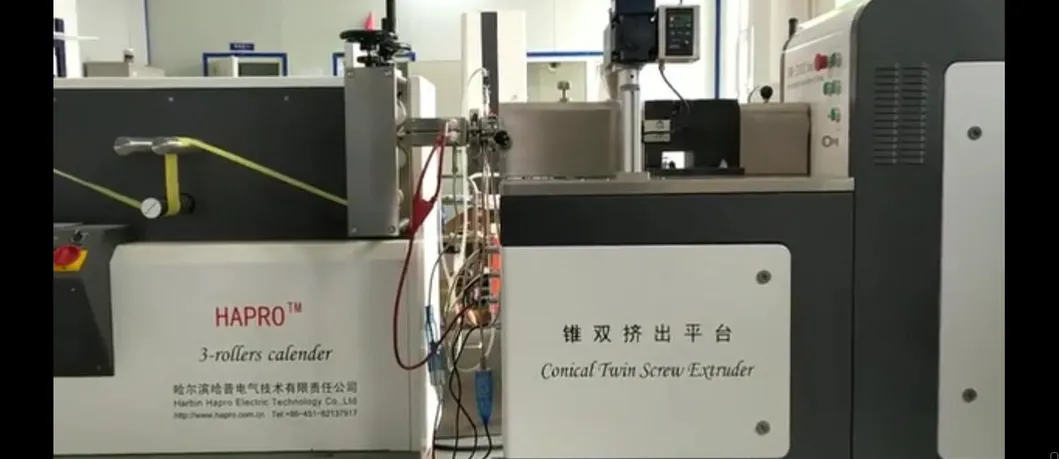
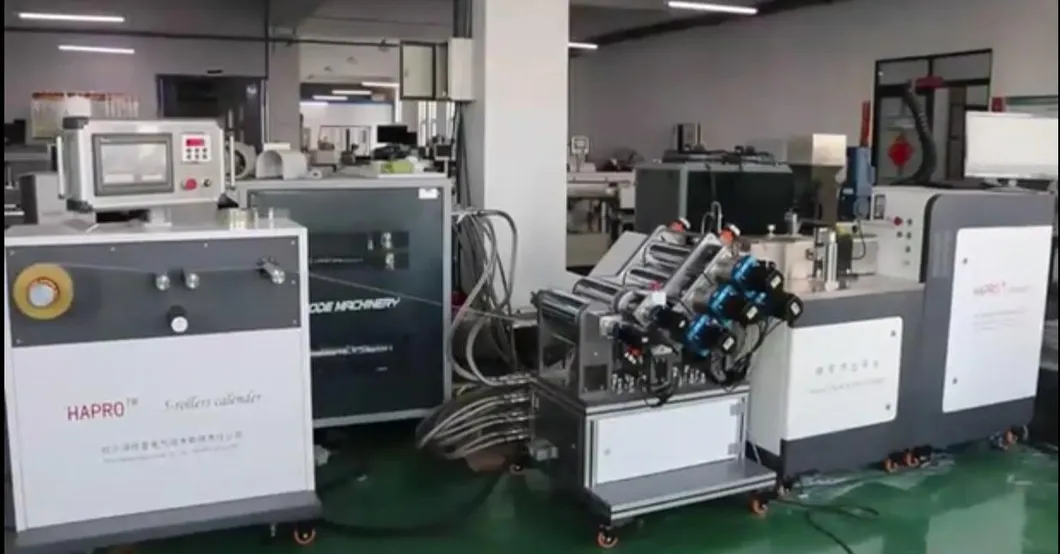
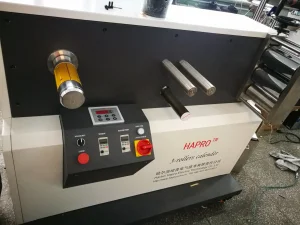
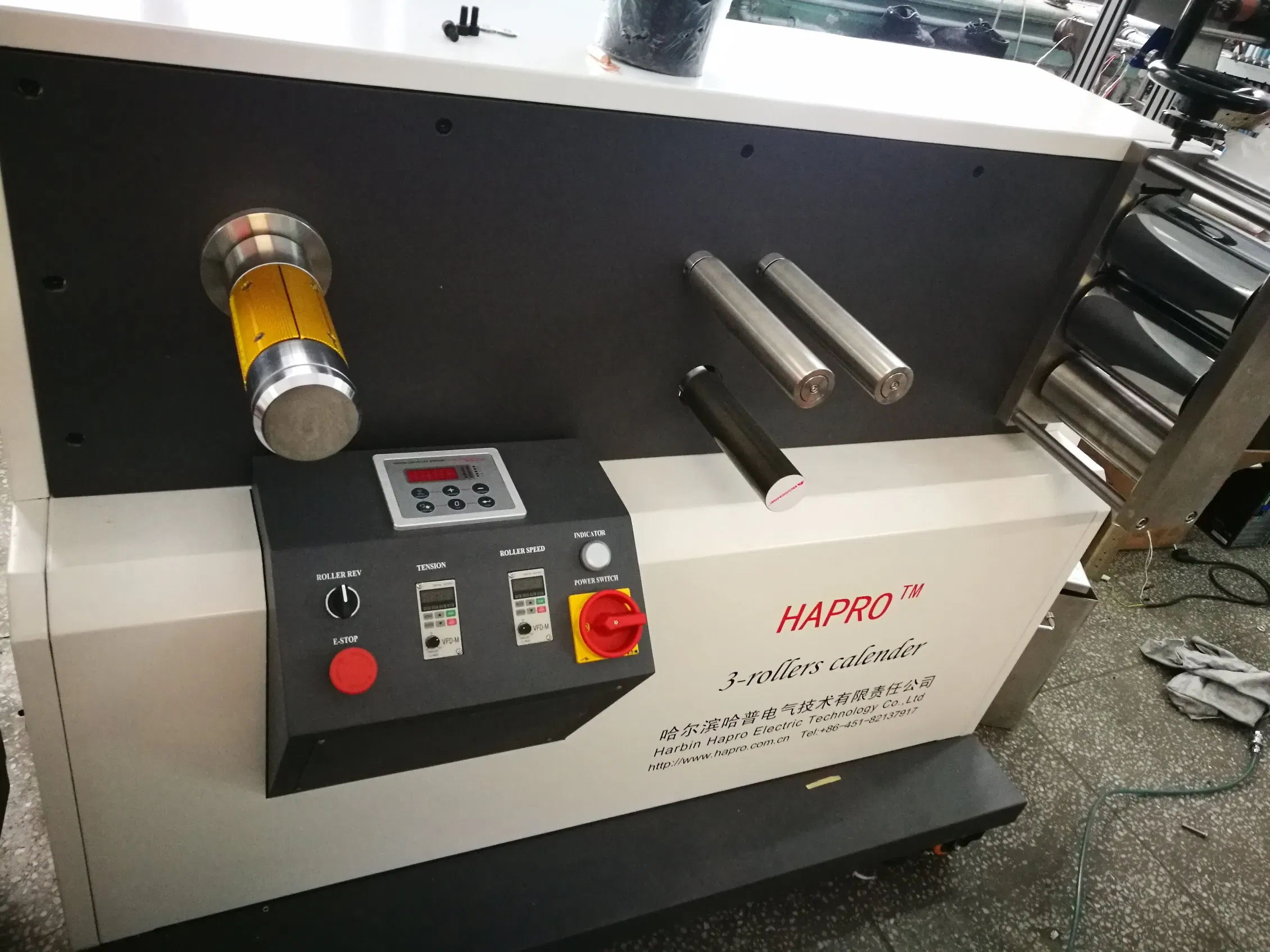
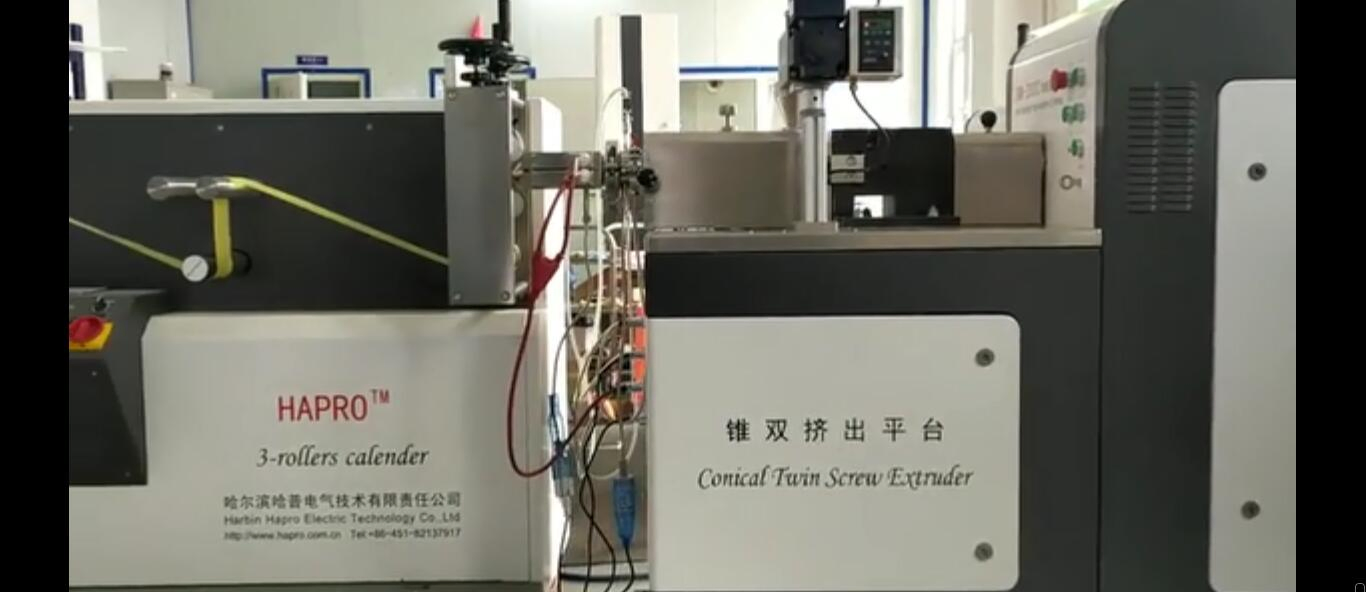
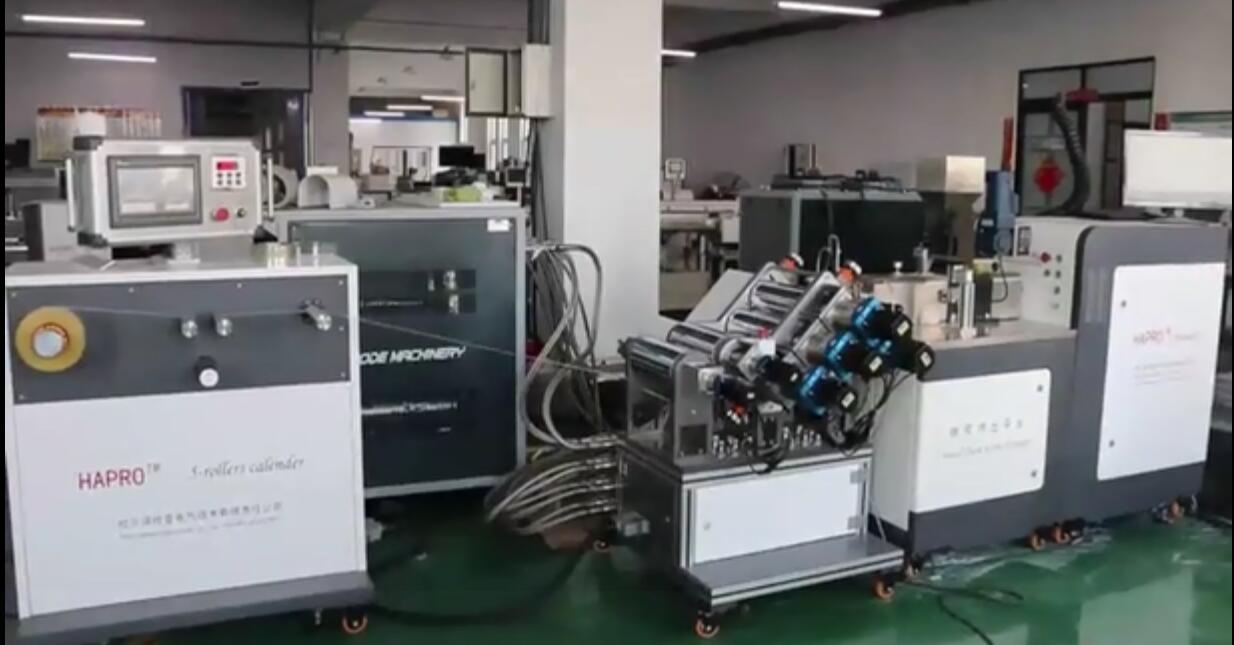
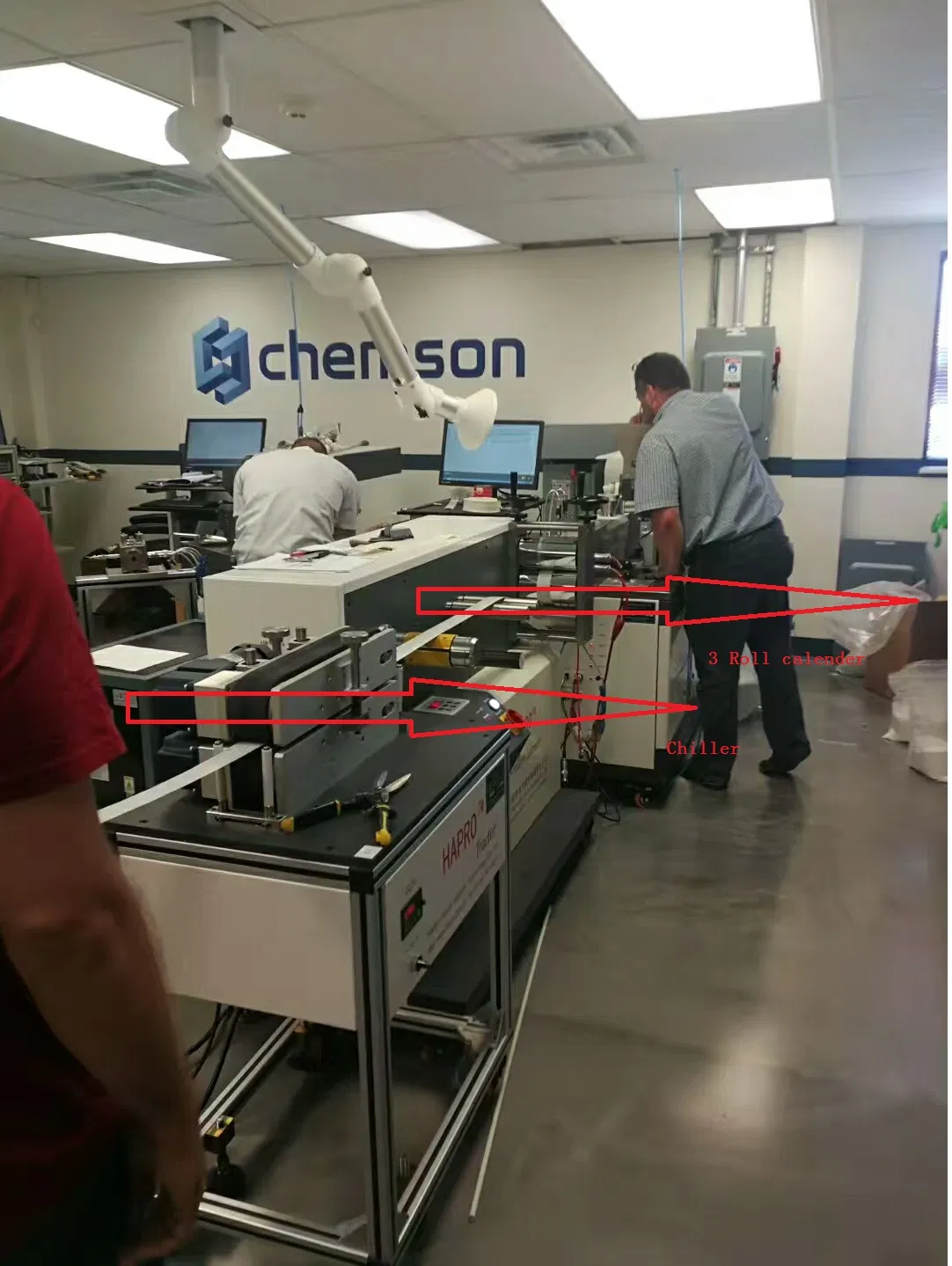
The Torque Rheometer System consists of a main unit and functional units, generally assembled by block models. The main unit connects to various units such as Single Screw Extrusion, Conical Twin-screw Extrusion, Parallel Twin-screw Extrusion, and auxiliary equipment like Film Blowing, Casting, and Calender machines.
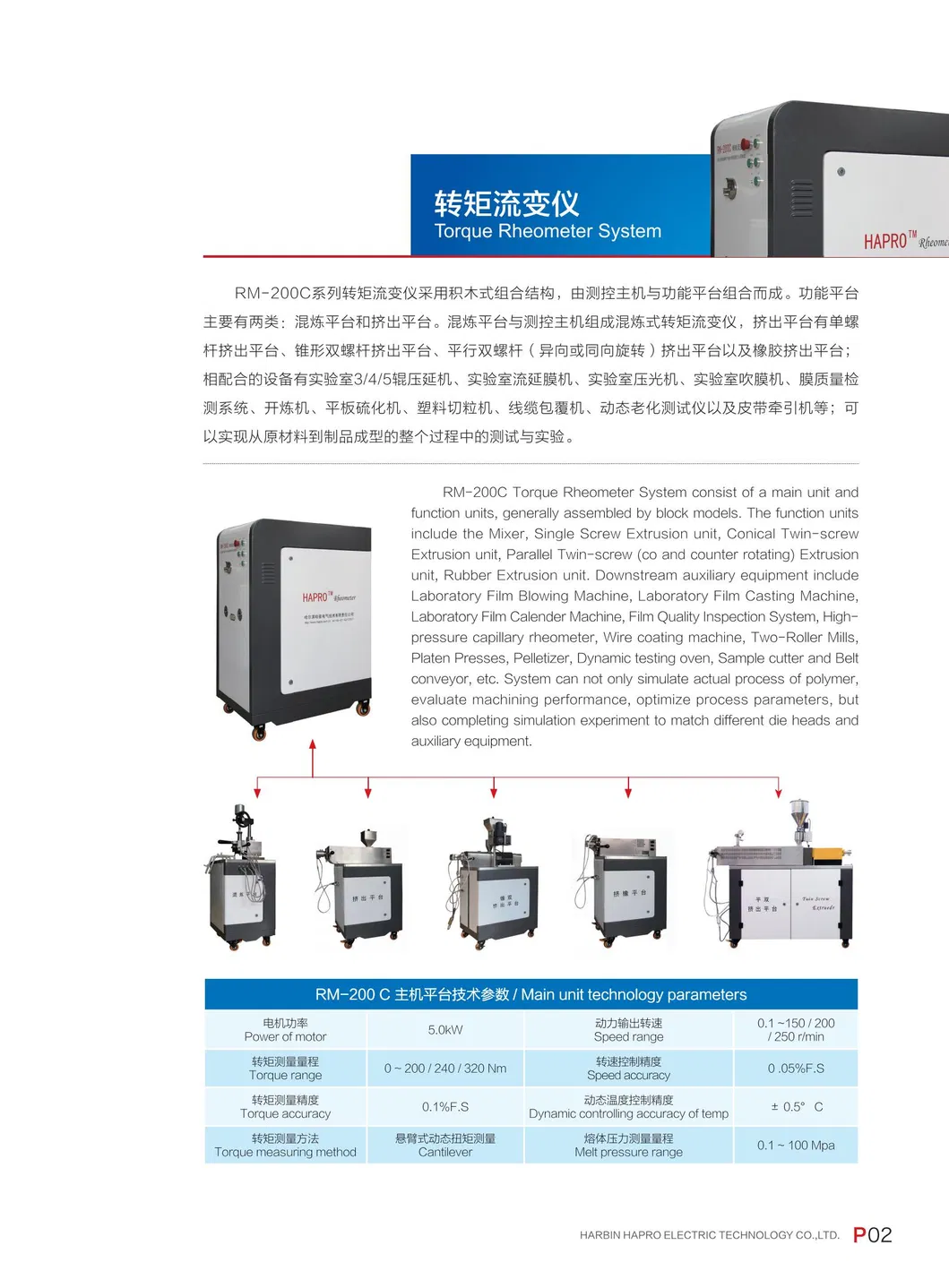
Equipped with a fully digital 5.0 kW motor ensuring full torque ranging from 190 to 320 Nm over the entire speed range (0.1 to 250 r/min).
| Control Mode | Industry Bus | Torque Range | 0 ~ 320 Nm |
|---|---|---|---|
| Mains Connection | 3×380V, 50Hz | Torque Accuracy | 0.1% F.S |
| Motor Power | 5.0 kW | Temp Accuracy | ±0.5ºC (Dynamic) |
| Speed Range | 0.1 ~ 250 r/min | Weight | 250 kg |
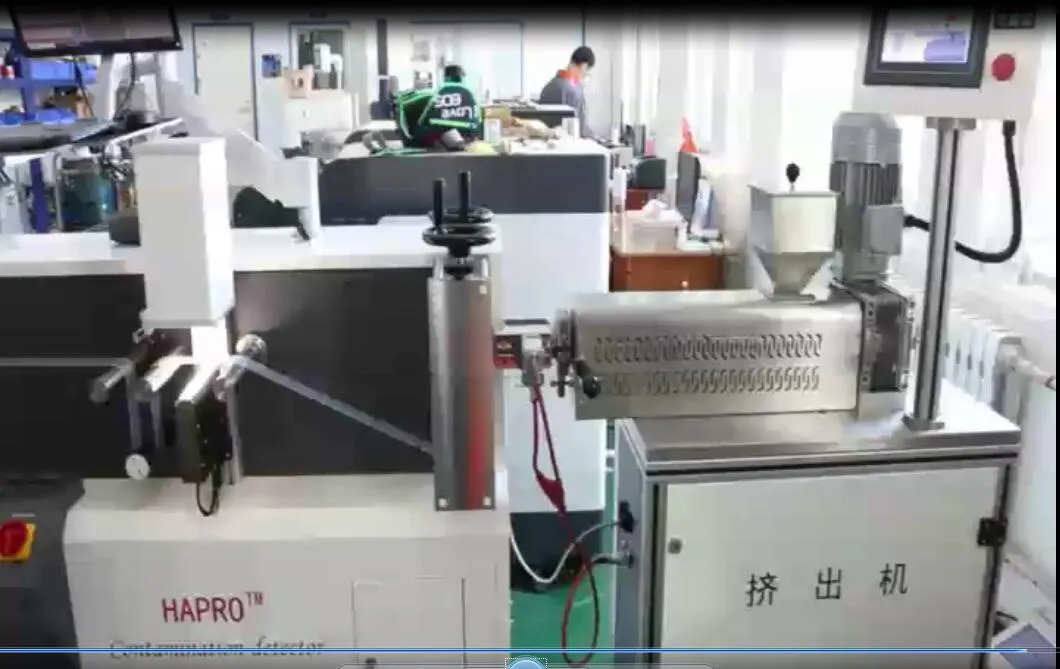
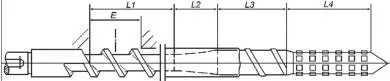
Used to simulate real production processes. Features include customizable screws and die heads (Capillary, Pipe, Flat, Coating Wire). It is ideal for testing extrudability, color dispersion, and transparency.
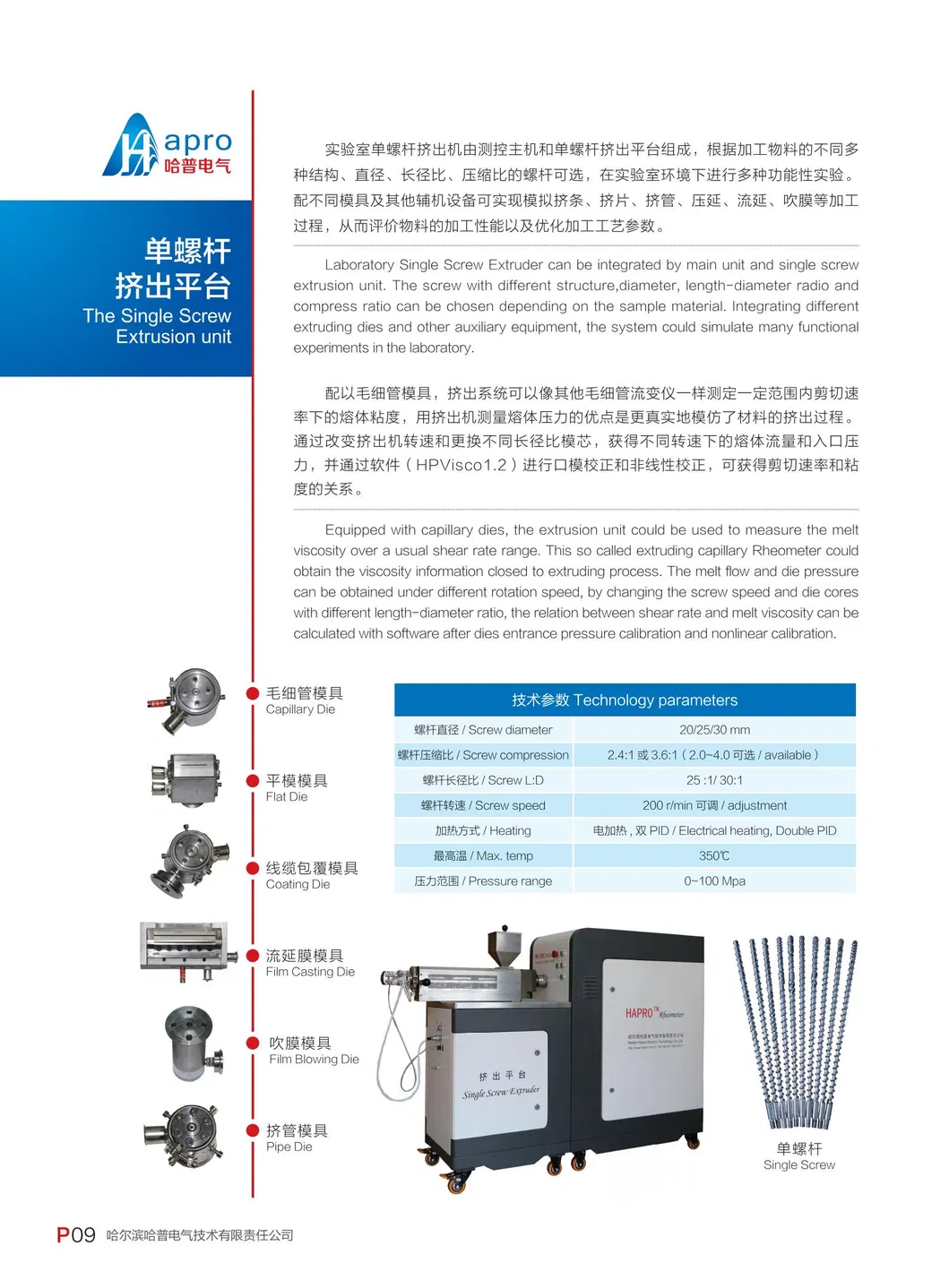
| Performance Index | Parameter |
|---|---|
| Screw L:D | 25:1 |
| Screw Diameter | 20 mm |
| Screw Material | 38 CrMoAlA |
| Max. Temperature | 350ºC |
| Output | 0.45 - 11 kg/h (depending on material) |