🚀
The Future of Injury Care Kits: Global Industrial Perspectives
In the modern era of healthcare, the concept of "Injury Care" has evolved from simple reactive patching to a proactive, technologically integrated discipline. As we analyze the market for Top Trusted Injury Care Kits Manufacturers, we see a distinct shift towards specialized manufacturing that emphasizes biocompatibility, rapid deployment, and regulatory standardization.
Industry Evolution & Macro Trends
The manufacturing landscape for medical supplies is undergoing a digital transformation. Factories like Weihai SHEFA Medical Technology represent the vanguard of this shift, moving beyond traditional production to embrace "Quality First" manufacturing architectures. Current trends indicate a move towards:
- Supply Chain Resilience: Leveraging vertically integrated manufacturing to ensure the consistency of class I, II, and III medical products.
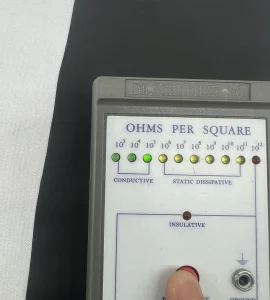
- Smart Materials: The integration of advanced polymers and anti-static materials (as seen in modern health care bed components) to prevent secondary infections.
- Personalized Care Modules: Custom-tailored kits designed for specific environments, from industrial safety to athletic performance optimization.
⚙️
Technical Roadmap & Future Outlook
The roadmap for high-quality injury care kits is defined by three pillars: Sterility, Ergonomics, and Data Integration. Manufacturers are no longer just producing physical items; they are delivering outcomes.
Innovation in Manufacturing
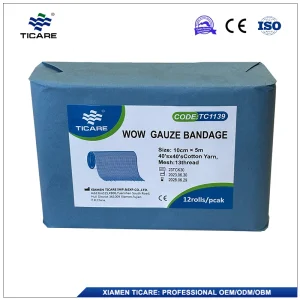
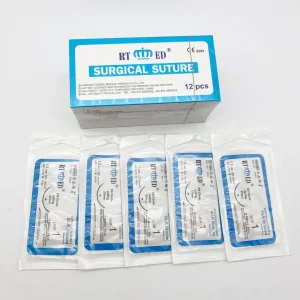
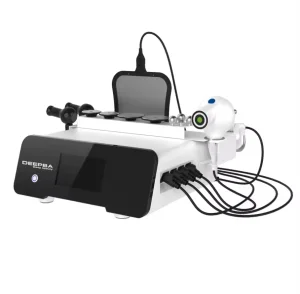
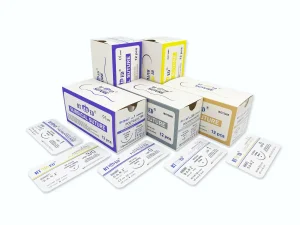
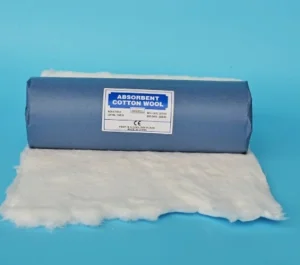
At the core of the SHEFA Medical production philosophy is the rigorous application of ISO 13485 standards. Future-proofing an injury kit involves adopting biocompatible sutures (such as PGA/Pgla), high-absorbency cotton rolls for surgical precision, and breathable immobilization tools. The integration of IoT-enabled laboratory equipment, such as medical pharmacy freezers, ensures that temperature-sensitive biologics remain stable throughout the supply chain.
Localized Application Scenarios
Different ecosystems require different solutions:
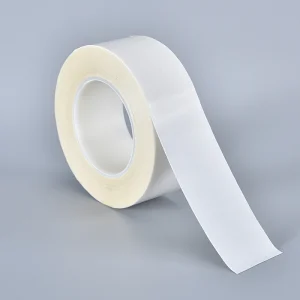
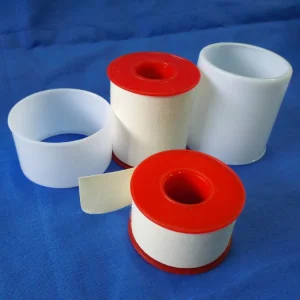
- Industrial Safety: Rapid-response trauma kits with high-adhesion surgical tapes for hazardous environments.
- Clinical Settings: Specialized, sterile surgical dressings and disposables that minimize hospital-acquired infection rates.
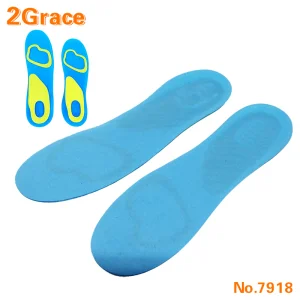
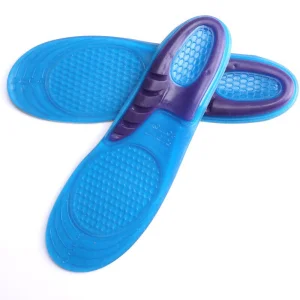
- Sports Medicine: Ergonomic support systems, like silicone gel insoles, designed to mitigate injury through preventative biomechanical correction.
🛡️
E-E-A-T: Why SHEFA Medical Leads the Market
Google’s E-E-A-T (Experience, Expertise, Authoritativeness, Trustworthiness) framework is critical in the medical supply sector. Patients and procurement officers alike depend on factual accuracy and verified manufacturing history.
Expertise & Authorization
With years of experience in the design, manufacture, and export of medical equipment, SHEFA Medical has solidified its position through:
- Strict Quality Systems: Certified ISO13485:2012 quality systems.
- Global Certification: Compliance with international safety benchmarks including CE and FSC certificates.
- Market Provenance: A presence in over 20 countries across the Middle East, Africa, South America, Europe, and Asia, proving the scalability and reliability of our supply chain.
❓
Frequently Asked Questions (FAQ)
Q: What makes a "trusted" injury care kit manufacturer?
A: A trusted manufacturer prioritizes a rigorous Quality Management System (QMS), maintains international certifications (CE/ISO), and provides full traceability from raw material to finished product.
Q: How does the industry handle surgical equipment storage?
A: Advanced medical facilities utilize specialized laboratory refrigerators (like the Zmade Ycd-328) to maintain the integrity of sensitive medical supplies and pharmaceuticals.
Q: Are non-woven materials replacing traditional textiles in medical care?
A: Yes, due to their superior sterility profiles, cost-effectiveness, and infection control capabilities, non-woven robes and dressings are now the industry standard.
 SHEFA Medical